Let's Explore The Rann
The Story of The Great Rann: A Journey Through the Ever-Changing Rann of Kachchh
Imagine a land where the vastness of a desert meets the vibrant pulse of a wetland, a place sculpted by time and shaped by the whispers of the Arabian Sea. This is the Rann of Kachchh, a breathtaking expanse of saline mudflats nestled in the westernmost corner of India.
The name itself evokes a sense of mystery. "Rann" translates to "desert" in Hindi, while "Kachchh" stems from a local legend that likens the region's map to a giant, upside-down tortoise – "kachchh" in Sanskrit. Stretching for over 190 miles from east to west and 90 miles from north to south, the Rann of Kachchh is a majestic mosaic of two distinct regions: the Great Rann to the north and the Little Rann to the southeast. Separated by the highlands of Kachchh, these two parts combine to form a wonderland that transcends definition.
The Great Rann, encompassing a staggering 7,000 square miles, spreads like a white canvas across the Gujarat landscape, bordering Pakistan. The Little Rann, covering about 2,000 square miles, stretches northeast from the Gulf of Kachchh. But the Rann of Kachchh's story is far more captivating than its sheer size.
This land holds within it the whispers of a bygone era. Geological forces, like silent storytellers, have etched a narrative of transformation onto the very soul of the Rann. Millions of years ago, it slumbered beneath the gentle embrace of the Arabian Sea. Then, a grand geological shift dramatically altered its course. The land rose, severing its connection to the sea and birthing a shallow lake.
Over time, this lake transformed under the relentless gaze of the sun. Evaporation sculpted its surface, leaving behind a legacy of salt and sediments. Yet, the Rann's spirit remained unconquered. Each monsoon season, the land witnesses a breathtaking metamorphosis. Rain from the heavens fills the parched earth, transforming the Rann into a sprawling wetland teeming with life. This is a time of unparalleled beauty, a season where the canvas of white transforms into a mirror reflecting the azure expanse of the sky.
As the dry season tightens its grip, the water evaporates once more, revealing a mesmerizing landscape of cracked, white salt flats that shimmer under the desert sun. The Rann of Kachchh is a land of stark contrasts, a place where the whisper of the sea mingles with the sigh of the desert wind. It is a testament to the enduring power of nature, a canvas upon which the artistry of time unfolds in a breathtaking spectacle.
A Tale of Two Ranns: Exploring the Great and Little Rann of Kachchh
The Rann of Kachchh, a mesmerizing expanse of salt flats in western India, unveils a story of transformation etched by time. This vast region, encompassing roughly 26,000 square kilometers, is not a monolithic entity but rather a captivating tapestry woven from two distinct parts: the Great Rann of Kachchh and the Little Rann of Kachchh.
The Great Rann of Kachchh: A Majestic Frontier
The larger and more imposing of the two, the Great Rann of Kachchh sprawls across the northern reaches of the region. Spanning an impressive 7,000 square kilometers, it primarily resides within the Indian state of Gujarat, stretching eastward and westward along the border with Pakistan. This majestic expanse resembles a giant, white bowl, its eastern edge merging with the drainage basin of the Luni River.
The Little Rann of Kachchh: A Sanctuary of Biodiversity
Situated southeast of the Great Rann, the Little Rann of Kachchh occupies roughly 2,000 square kilometers within Gujarat. Unlike its larger counterpart, the Little Rann boasts a more diverse and dynamic ecosystem. During the monsoon season, this region transforms into a vibrant wetland, attracting a myriad of birdlife. The critically endangered Lesser Flamingo, with its dazzling pink plumage, flocks to the Little Rann in massive numbers, making it one of the most important breeding grounds for this species in the world. Additionally, the Little Rann provides a haven for a variety of wildlife, including the Asiatic wild ass, the blackbuck antelope, and the spiny-tailed lizard.
A Shared Legacy: A Seasonal Rhythm of Change
Despite their differences in size and ecological makeup, both the Great and Little Rann of Kachchh share a fascinating seasonal rhythm. During the monsoon months, the relentless downpour transforms these arid plains into shallow seas. The parched earth drinks deeply, and the once-cracked salt flats become havens for life. This dramatic transformation attracts a diverse range of migratory birds and creates a breathtaking spectacle.
As the dry season descends, the relentless sun asserts its dominance. The rainwater evaporates, leaving behind a glistening expanse of white salt flats. This stark landscape, under the relentless gaze of the sun, possesses a beauty of its own. The cracked earth, like a canvas etched with time, tells a story of resilience and adaptation.
The Great Rann of Kachchh and the Little Rann of Kachchh, though distinct entities, are bound together by a shared legacy. Together, they form a unique and captivating ecosystem, a testament to the enduring power of nature and its ability to transform and adapt.
The Ephemeral Arteries of Kachchh: Unveiling the Rivers of the Rann
The Rann of Kachchh, a vast expanse of salt flats in western India, may appear desolate at first glance. But beneath its arid surface lies a network of impermanent rivers, the lifeblood of this unique ecosystem. These ephemeral rivers, unlike their perennial counterparts, flow only during the monsoon season, transforming the Rann from a parched desert into a temporary wetland.
A Landscape Shaped by 97 Ephemeral Rivers
Kachchh boasts an impressive number of rivers – 97 to be exact! These seasonal waterways, though temporary, play a pivotal role in shaping the Rann's landscape and ecology. During the monsoon months, heavy rainfall awakens these dormant rivers, transforming them into gushing streams. They carry freshwater and vital nutrients across the land, replenishing the groundwater reserves and breathing life into the Rann.
From Sparse Streams to Vibrant Wetlands
The influx of freshwater from these ephemeral rivers triggers a dramatic transformation in the Rann. The once-cracked salt flats transform into shallow wetlands, teeming with diverse flora and fauna. These temporary havens attract a multitude of migratory birds, including ducks, geese, and pelicans. The critically endangered Lesser Flamingo, known for its vibrant pink plumage, finds a vital breeding ground in the Rann's wetlands, making it one of the most important flamingo breeding sites in the world.
The Importance of Ephemeral Rivers: Beyond Seasonal Spectacle
The ephemeral rivers of Kachchh play a crucial role beyond creating a temporary spectacle. They contribute significantly to the region's water security by replenishing groundwater reserves. This stored water proves invaluable during the dry season, sustaining local communities and wildlife. Additionally, the nutrient-rich sediments carried by these rivers nourish the soil, promoting the growth of vegetation once the monsoon subsides.
Challenges and Conservation Efforts
Despite their significance, the ephemeral rivers of Kachchh face challenges. Climate change and erratic rainfall patterns threaten the delicate balance of the ecosystem. Additionally, human activities like overgrazing and deforestation can disrupt the natural flow of these rivers. Recognizing their importance, conservation efforts are underway to protect these ephemeral waterways. These efforts include promoting sustainable water management practices and raising awareness about the vital role these rivers play in the Rann's ecological balance.
The ephemeral rivers of Kachchh, though temporary in nature, are the essence of life in the Rann. They showcase the power of nature's cyclical rhythms and serve as a reminder of the delicate balance between water, land, and life.
Flora and Fauna of Kachchh
The Rann of Kachchh, a majestic expanse of salt flats located in western India, boasts a unique and resilient ecosystem that thrives in a harsh, arid environment. This region experiences dramatic seasonal changes, transforming from a parched desert during the dry season to a shallow wetland teeming with life during the monsoon. This seasonal variability shapes the flora and fauna of the Rann of Kachchh, creating a haven for specially adapted plants and animals.
Flora of Kachchh
The Rann of Kachchh's vegetation is dominated by halophytic plants, those that have adapted to survive in saline environments. These salt-tolerant plants include:
-
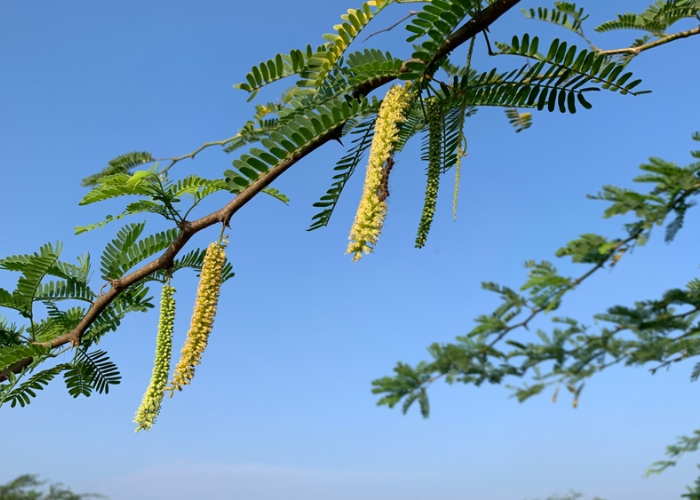
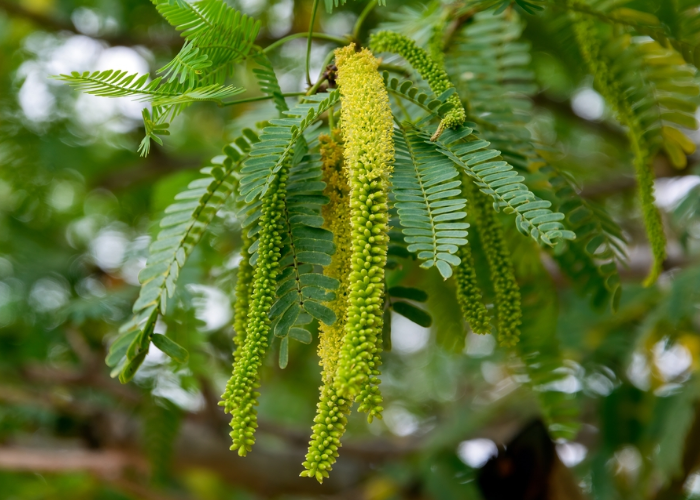
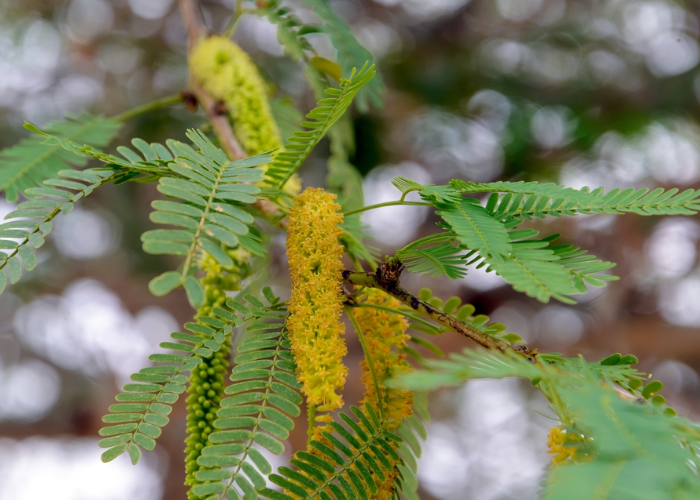
Shrubs : Prosopisjuliflora (commonly called mesquite or gandobawal) and various species of Tamarix (known as tamarisk or jhau) are common drought-resistant shrubs found in the Rann.
-
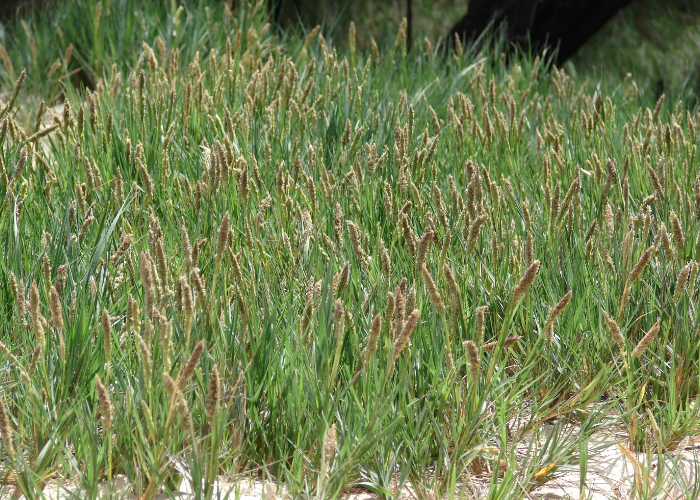
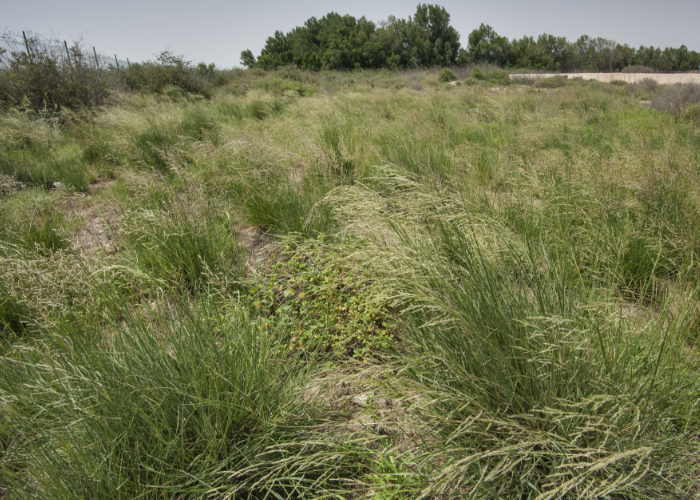
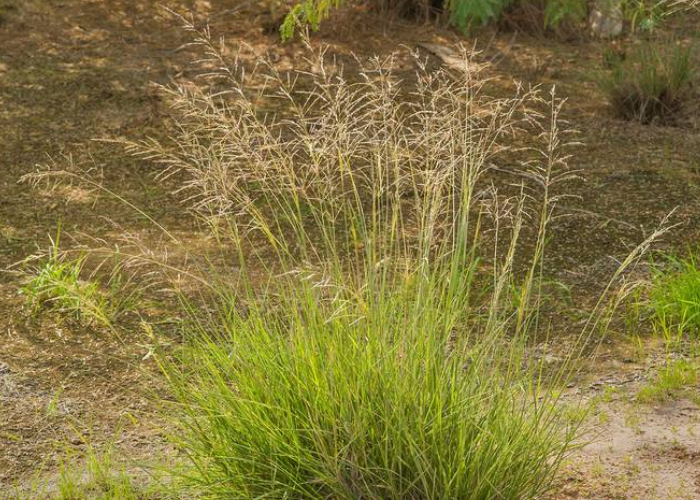
Grasses : A variety of salt-resistant grasses, such as Sporobolusmarginatus and Dichanthiumannulatum, carpet the landscape, providing grazing grounds for herbivores.
-
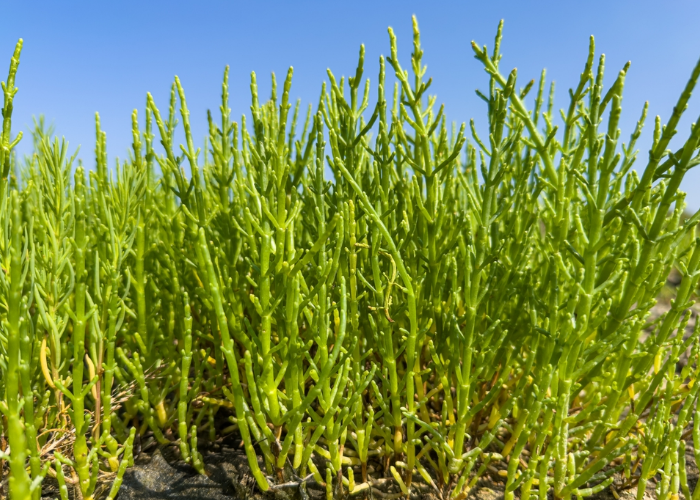
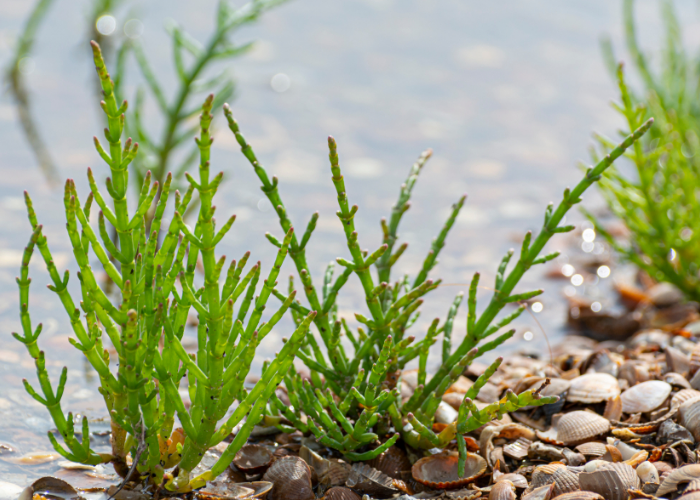
Succulents : These water-storing plants, like various species of Salicornia and Suaeda, thrive in the Rann's saline environment.
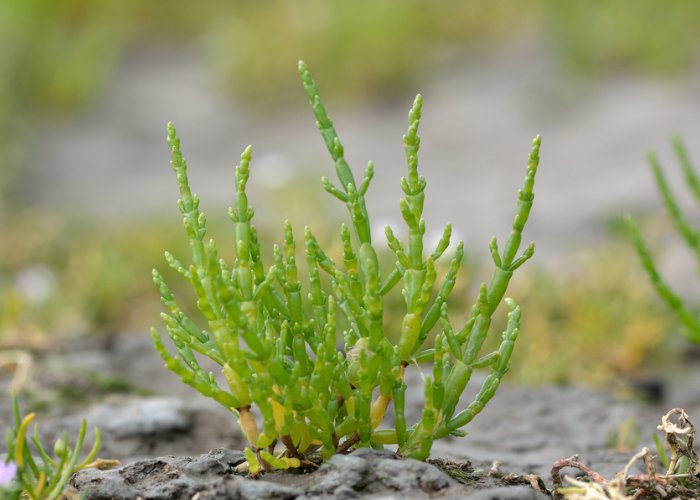
Some of the important Floral Species of Kachahh
-
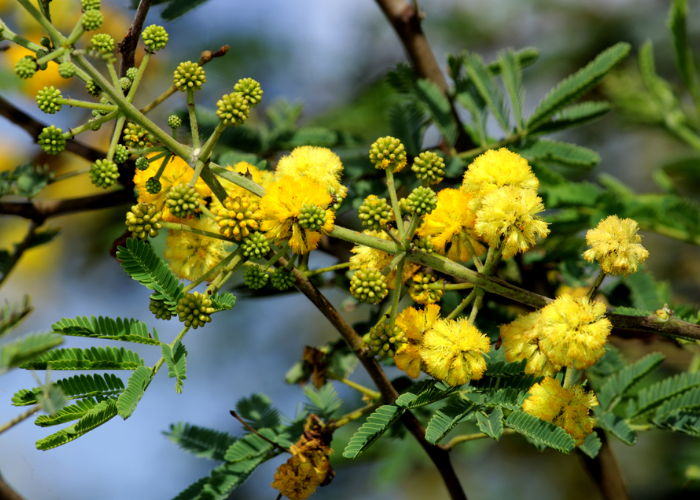
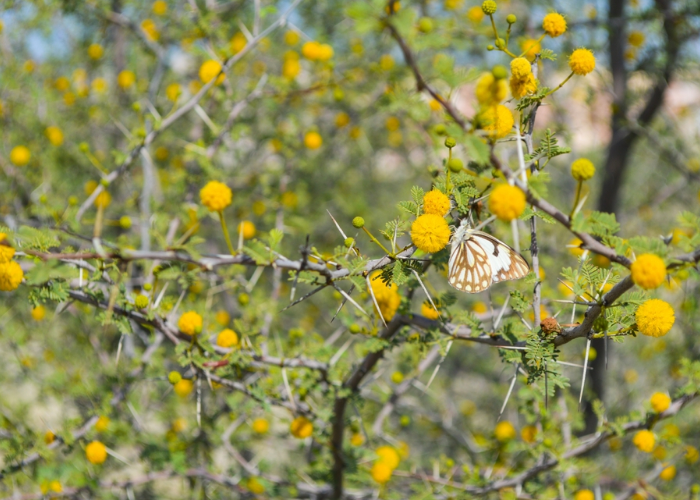
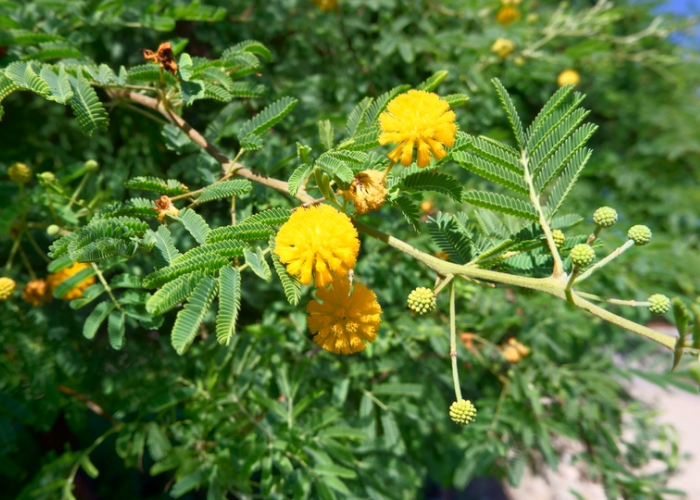
Acacia Nilotica : Also known as "Babul," this tree species is found in dry and arid regions. It has multiple uses, including for timber, fodder, and traditional medicine.
-
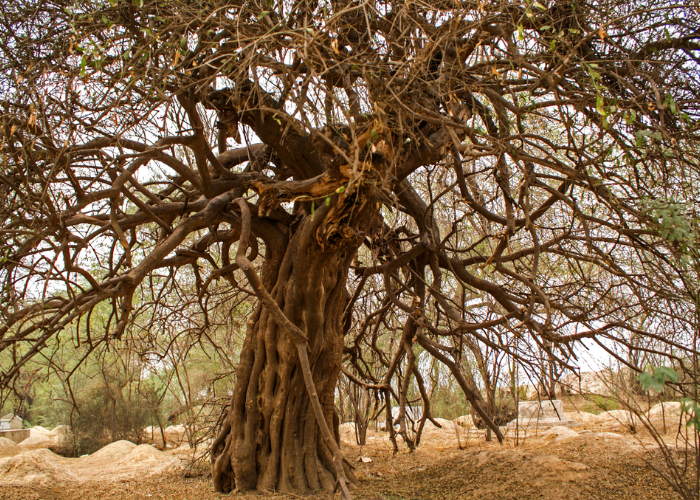
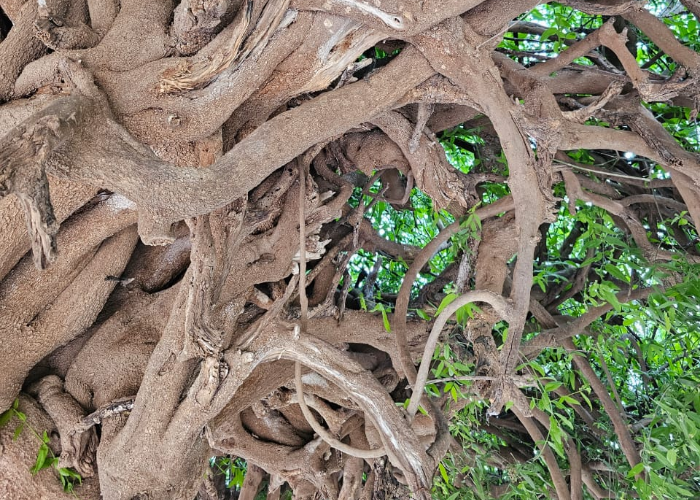
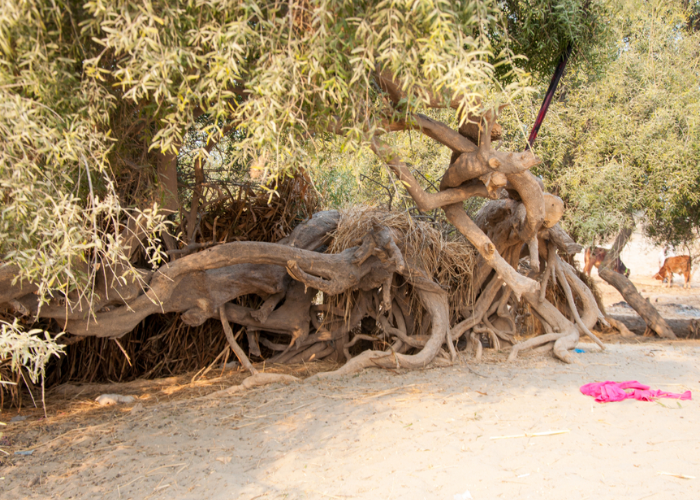
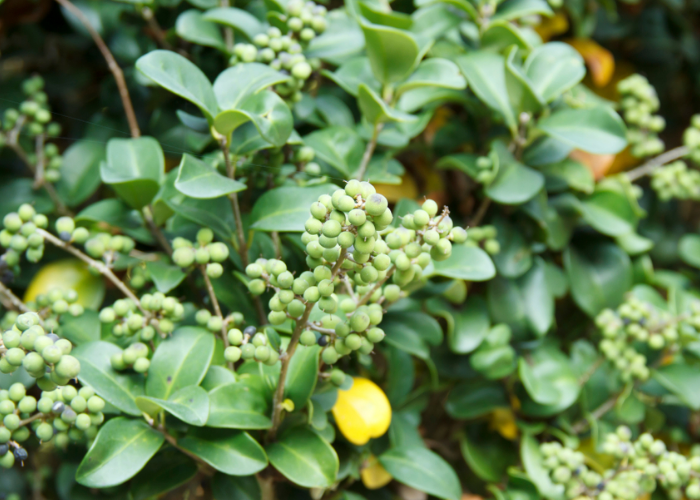
Salvadora Persica : Known as "Piludi" or "Khair," this small tree is valued for its medicinal properties. Its twigs are traditionally used as toothbrushes, and various parts of the plant are used in herbal medicine.
-
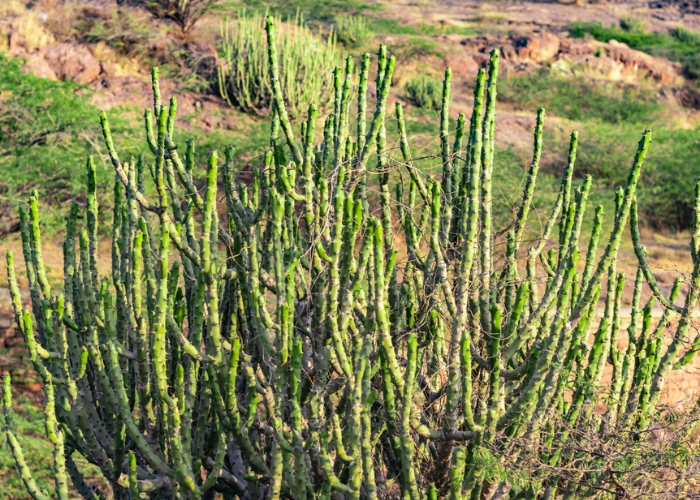
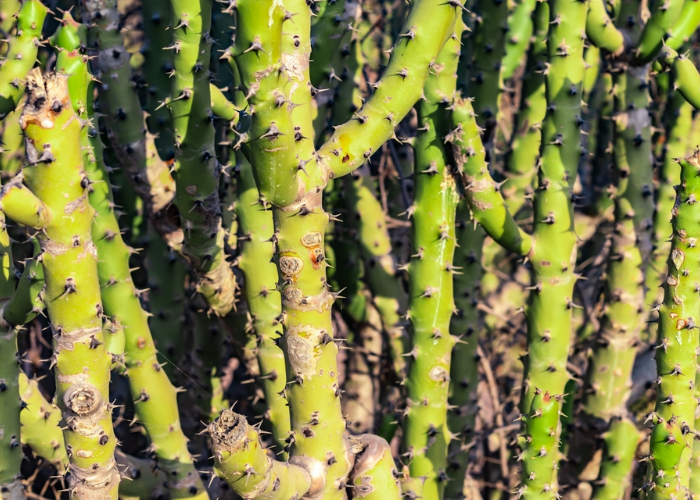
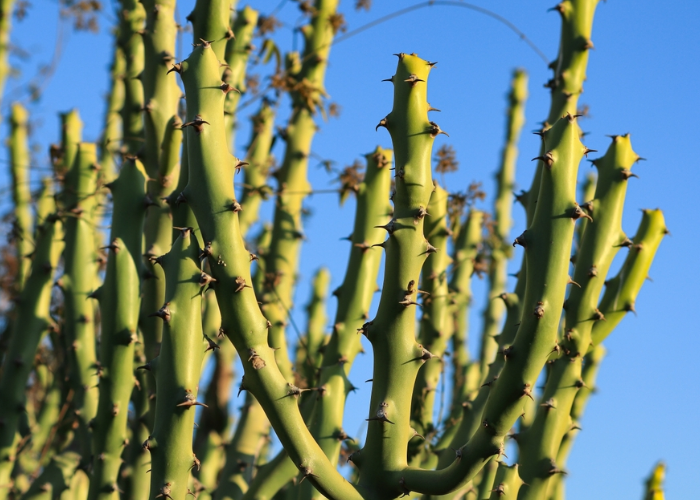
Euphorbia Caducifolia : This succulent shrub is adapted to arid conditions and is often found in sandy or rocky soils. It has small greenish-yellow flowers and is characteristic of desert landscapes.
-
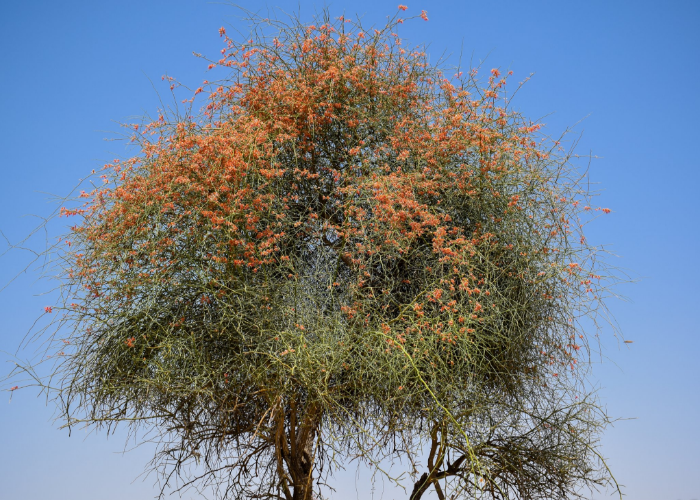
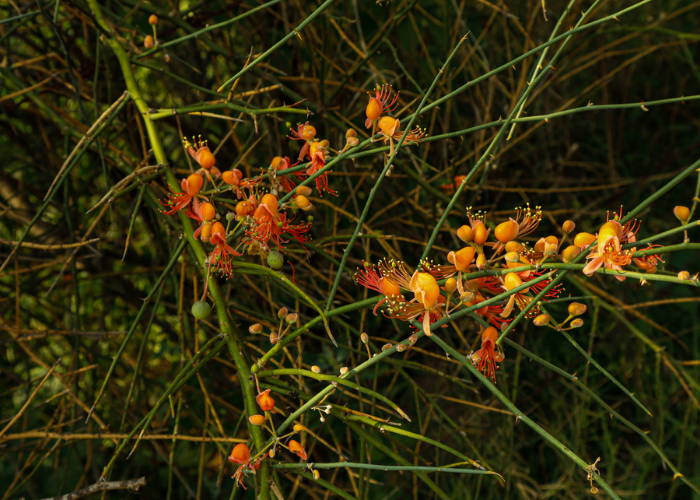
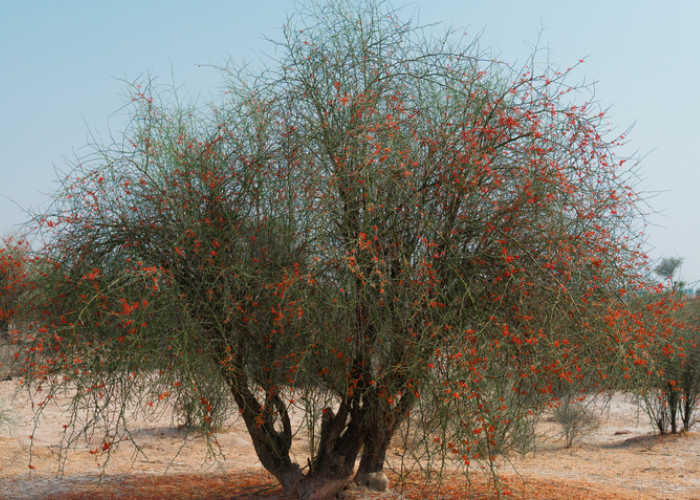
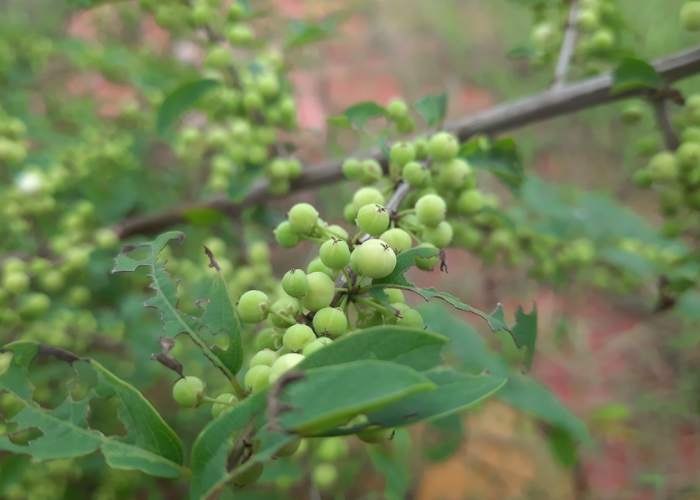
Capparis Decidua : Also called "Karir" or "Kair," this thorny shrub is found in arid and semi-arid regions. It produces edible fruits and has medicinal properties.
-
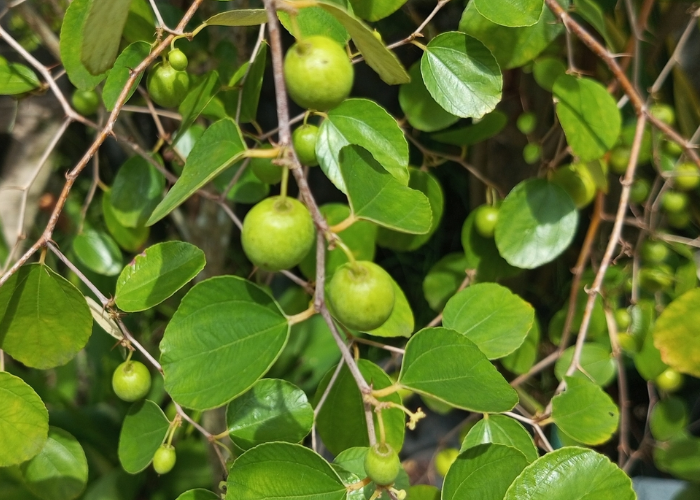
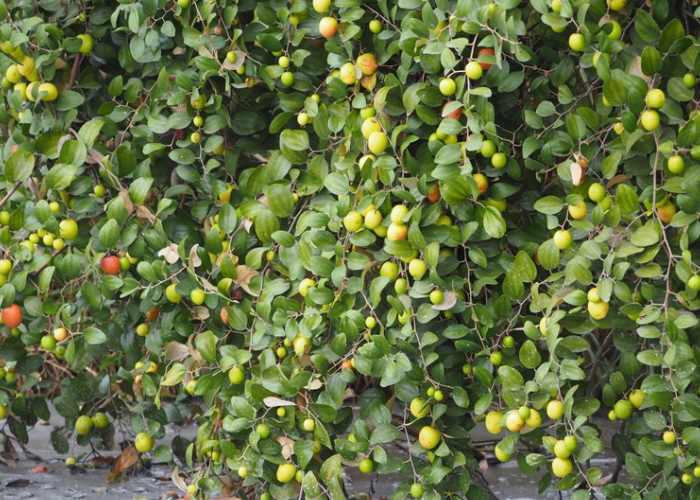
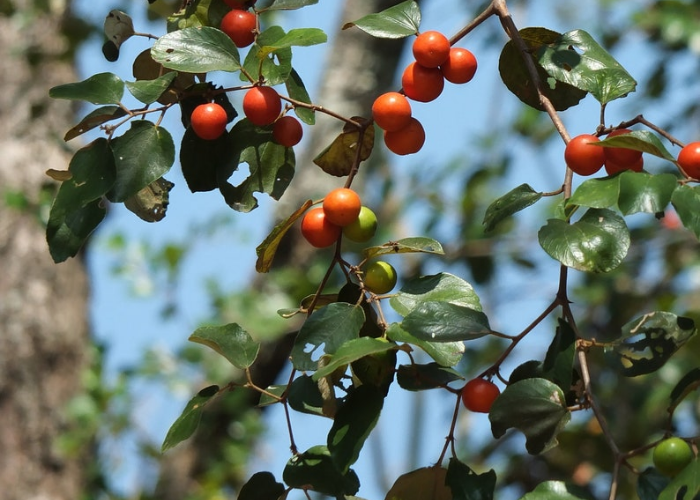
Ziziphus Mauritiana : Known as "Ber," this small tree is common in dry regions and produces edible fruits. It is also used in traditional medicine and for making various products such as jams and juices.
-
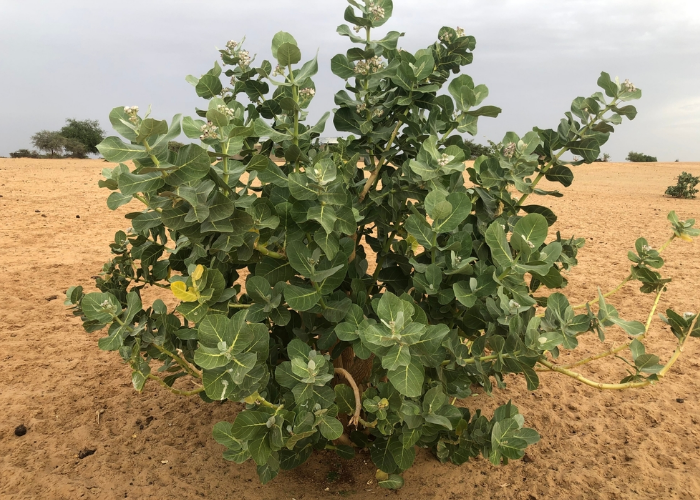
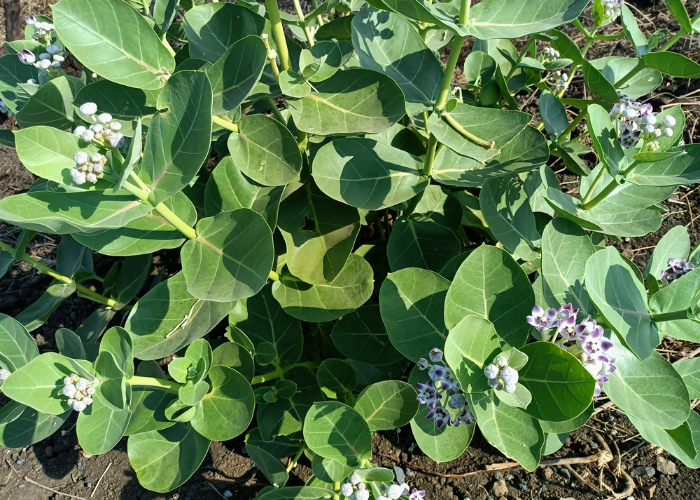
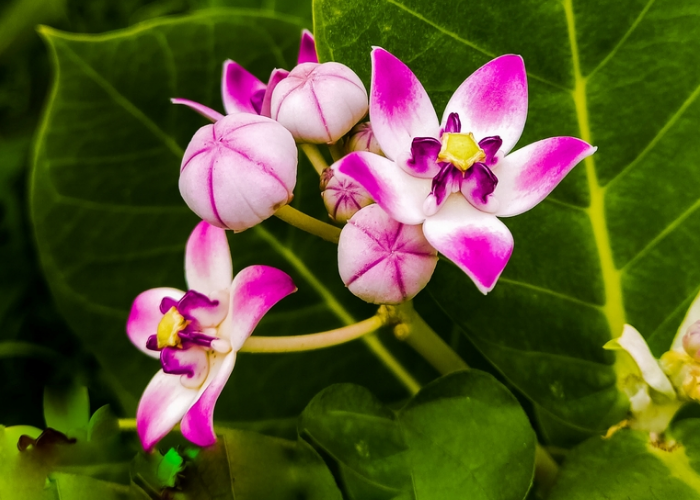
Calotropis Procera : Commonly known as "Akado," this shrub or small tree is found in arid and semi-arid regions. It has white or purple flowers and is known for its medicinal properties.
-
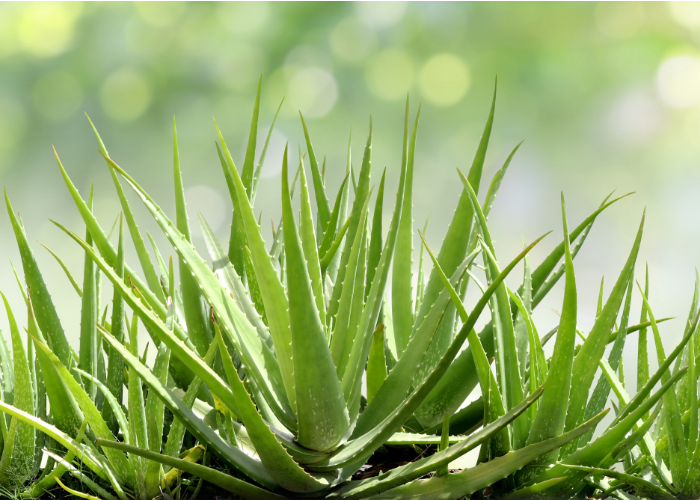
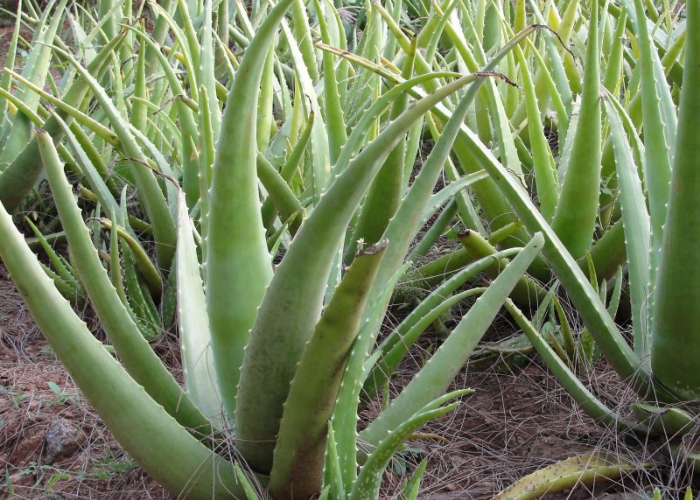
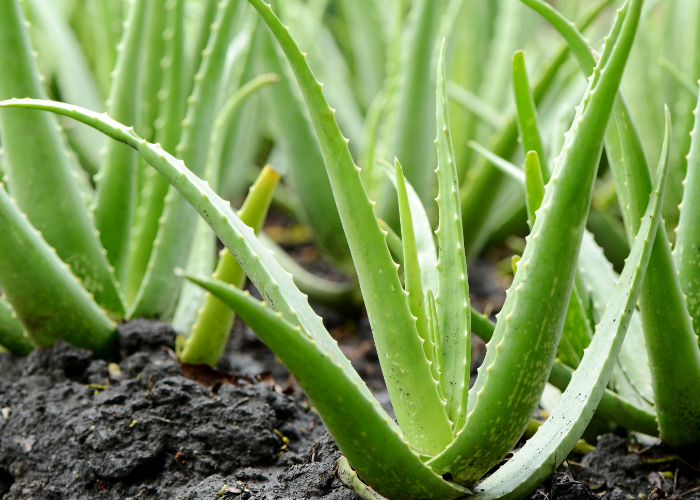
Aloe vera : This succulent plant is known for its medicinal and cosmetic uses. It thrives in arid conditions and is cultivated for its gel, which is used in various skincare products.
-
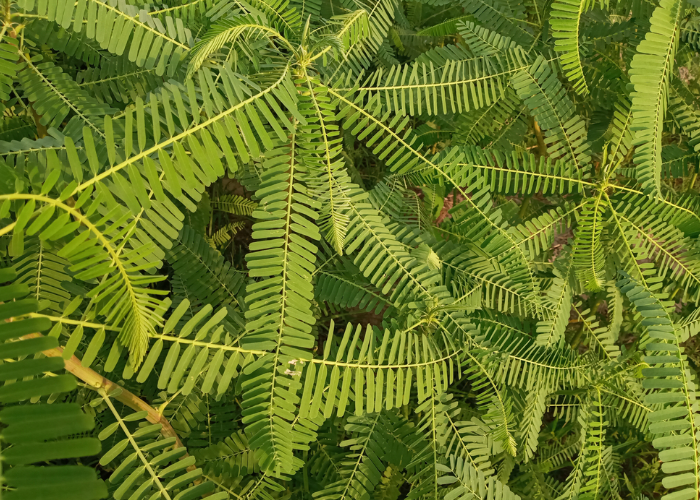
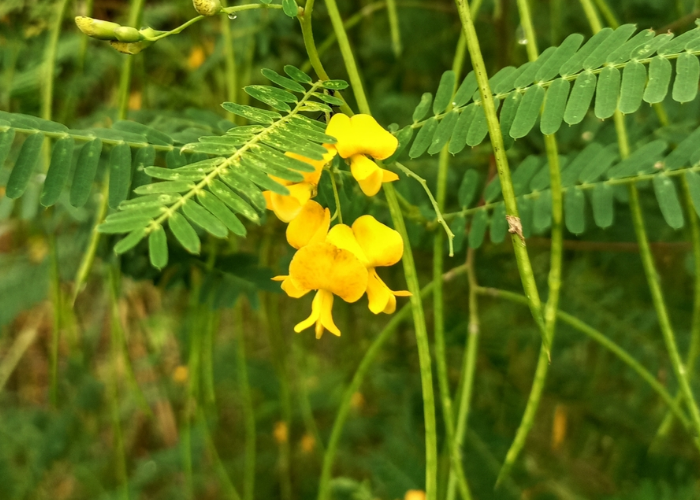
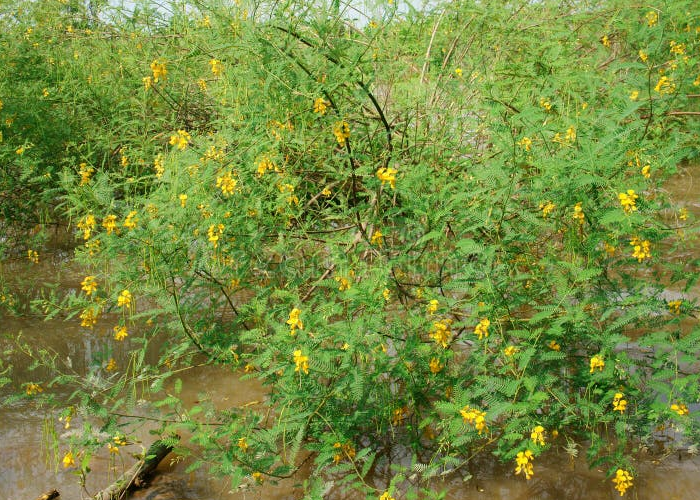
Sesbania Sesban : Also called "Dhaincha," this fast-growing shrub is often used as a green manure crop. It helps improve soil fertility and is valuable for sustainable agriculture practices.
-
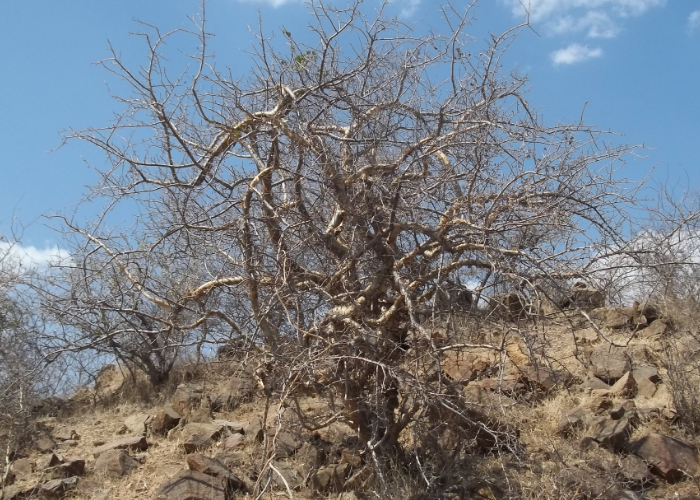
Commiphora Wightii : Known as "Guggul," this small tree is native to arid regions and has resinous gum with medicinal properties. It is used in traditional Ayurvedic medicine for various ailments.
Fauna of Kachchh
The Rann of Kachchh's fauna exhibits remarkable adaptations to survive the region's harsh conditions. Some notable animals include:
Mammals:
-
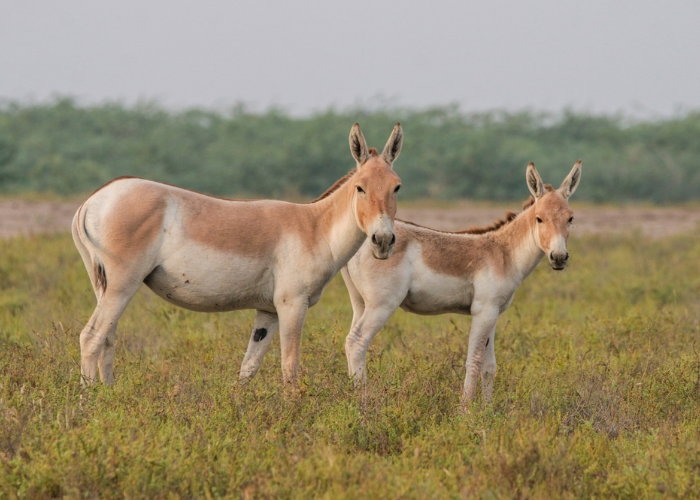
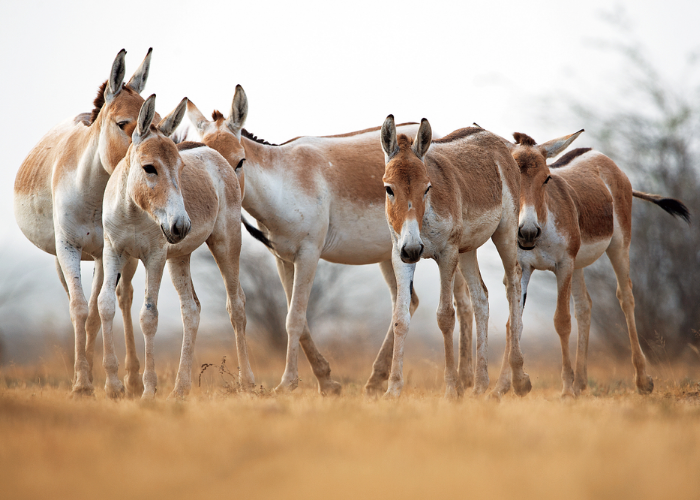
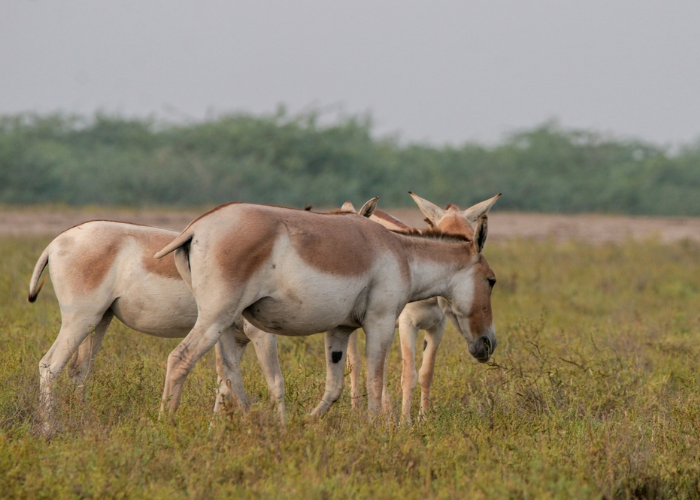
Indian Wild Ass : This endangered species of wild equine, also known as khur, is one of the last remaining populations in the world. They are adapted to the desert environment and can travel long distances in search of water.
-
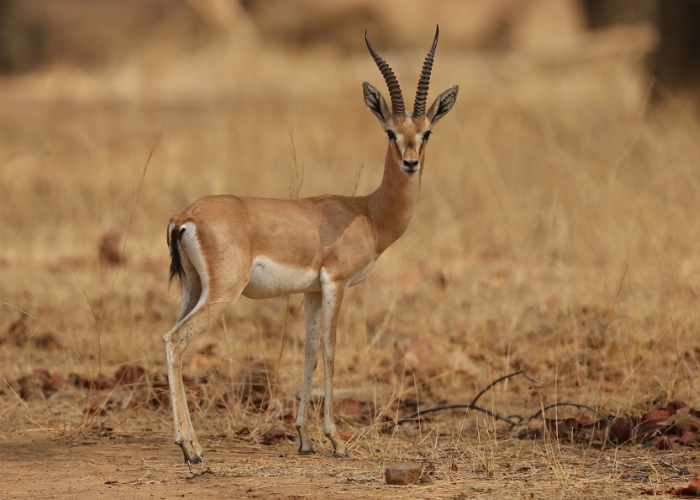
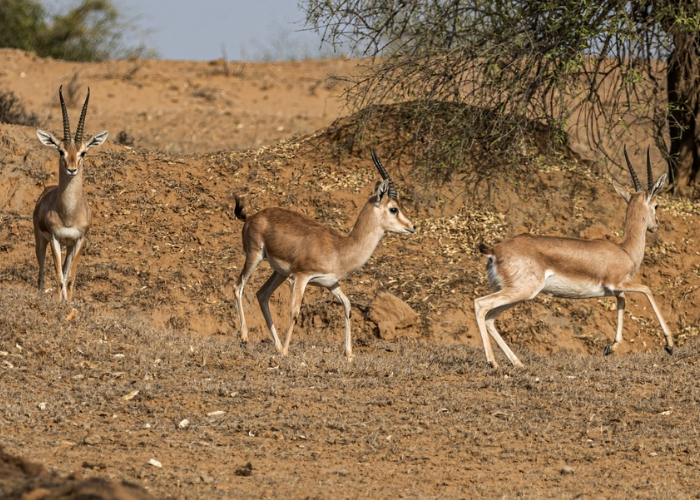
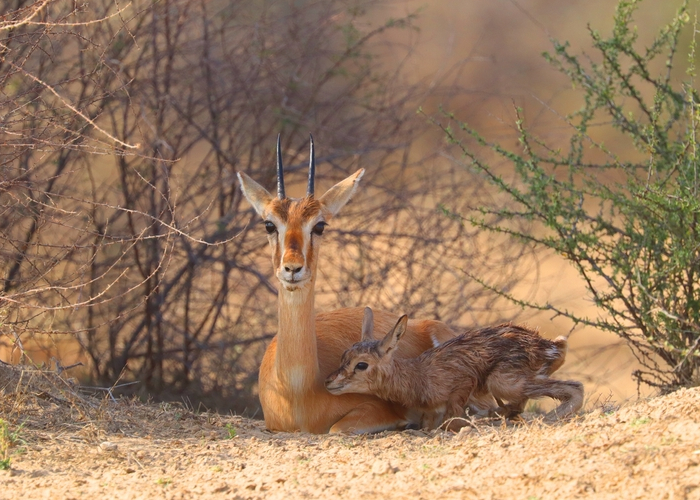
Chinkara : These slender gazelles are well-adapted to desert life and can survive on minimal water intake.
-
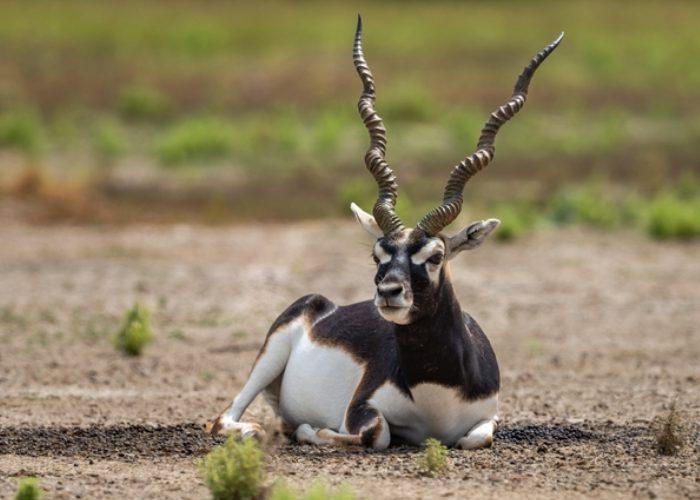
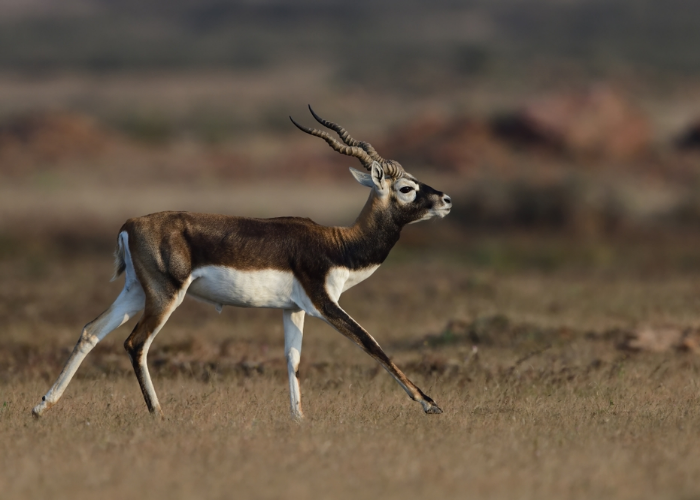
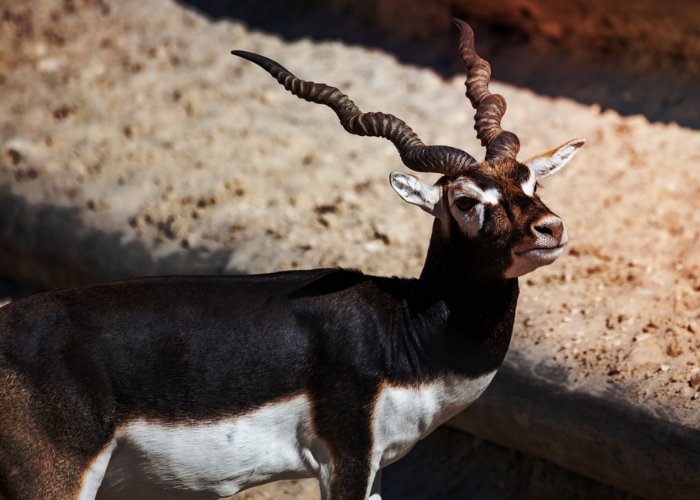
Blackbuck : This antelope species with distinctive black horns is another inhabitant of the Rann.
Birds:
The Rann of Kachchh is a paradise for birdwatchers, especially during the monsoon season. Some notable avian residents include:
-
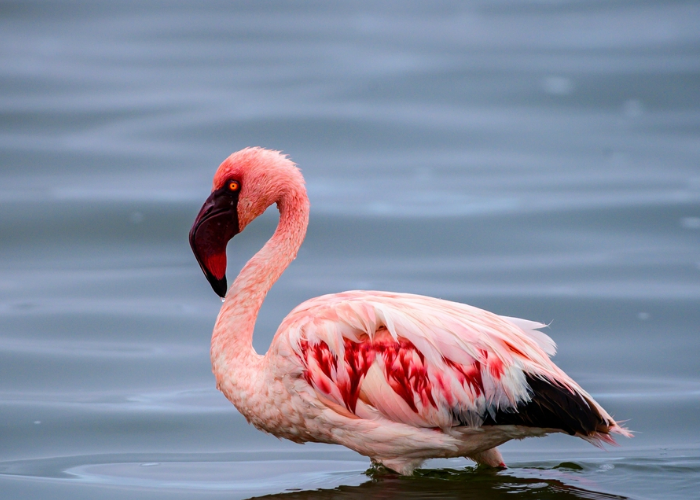
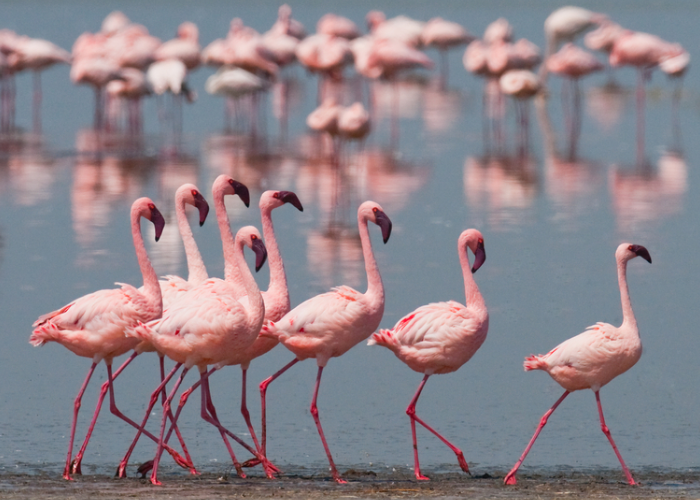
Lesser Flamingo : This vibrant pink wading bird flocks to the Rann in large numbers during the breeding season, making it one of the most important breeding grounds for this species in the world.
-
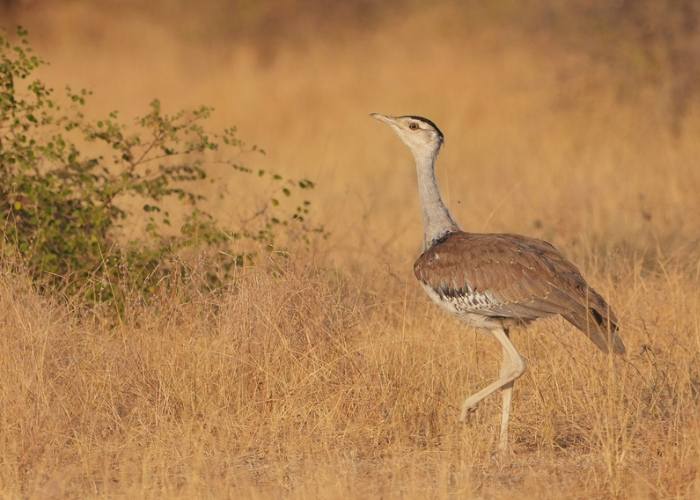
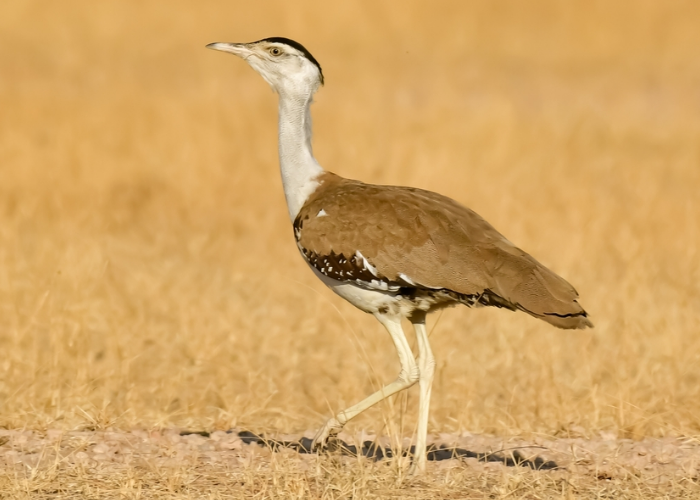
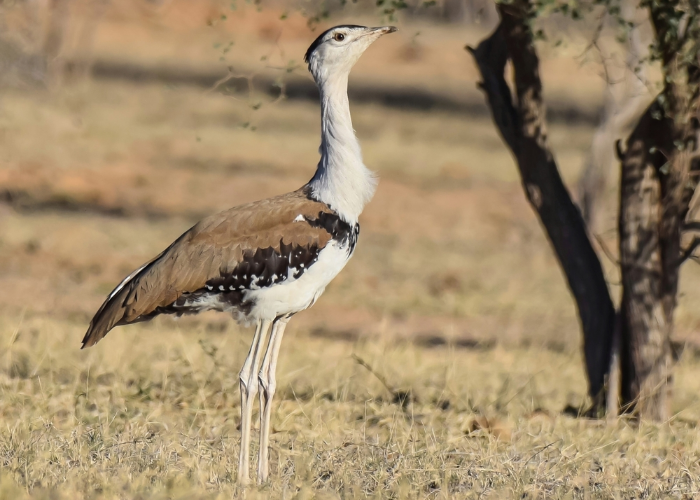
Great Indian Bustard : This large, endangered bustard is a majestic sight in the Rann's grasslands.
-
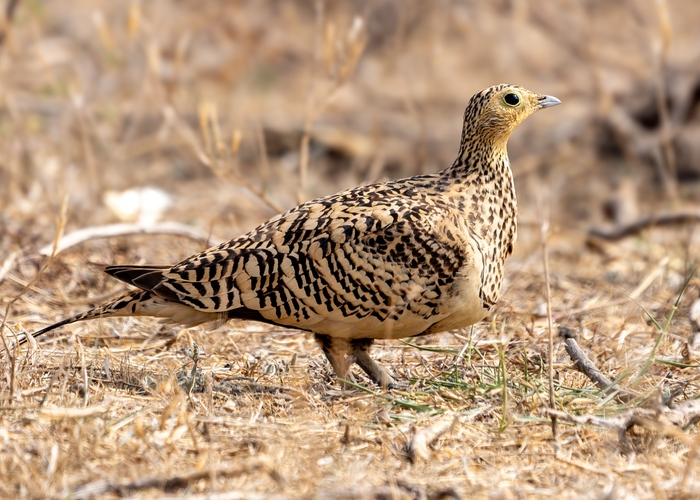
Indian Sandgrouse : These ground-dwelling birds are well-adapted to the arid environment.
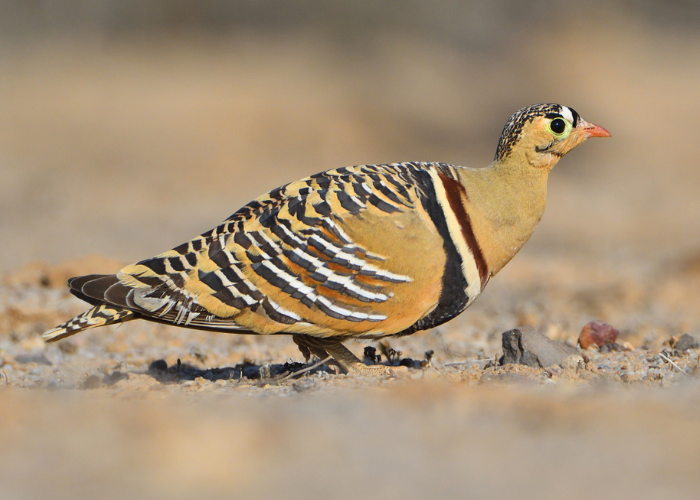
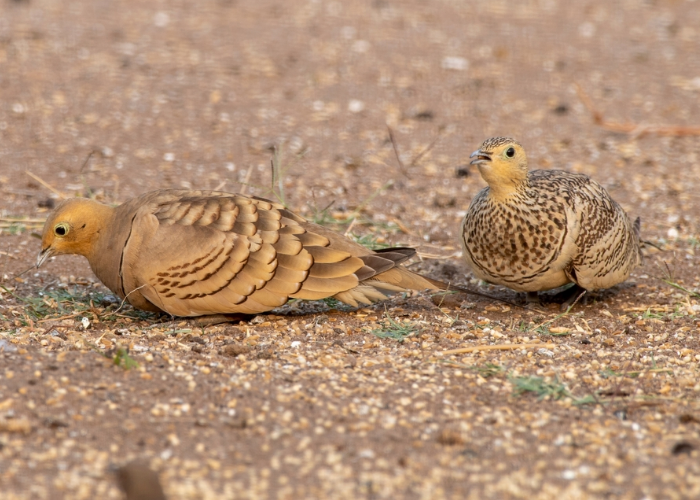
Pelicans, cranes, ducks, and geese and variety of waterfowl visit the Rann's temporary wetlands during the monsoon.
Some of the Important Faunal Species in Kachchh
-
Indian Wild Ass (Equus hemionus khur): The Kutch region is famous for its population of Indian Wild Ass, locally known as the "Ghudkhur". It is found primarily in the arid grasslands and scrublands of the Rann of Kutch.
-
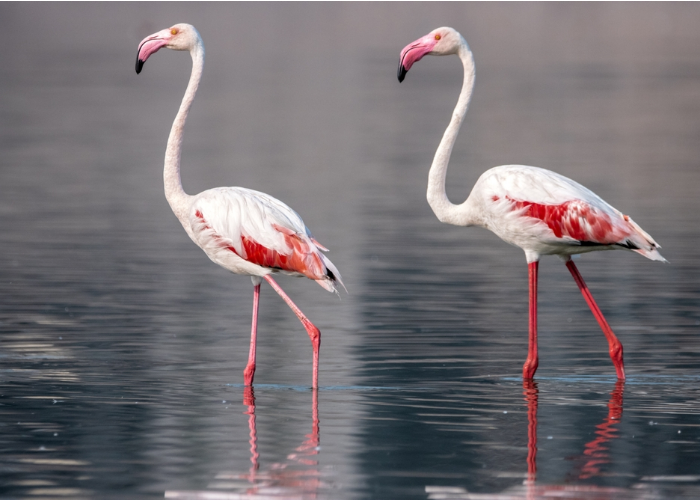
Greater Flamingo (Phoenicopterus roseus): The vast salt marshes and wetlands of the Kutch region serve as important breeding and feeding grounds for flamingos, especially the Greater Flamingo. These graceful birds can be seen in large numbers during the winter months.
-
Indian Bustard (Ardeotis Nigriceps): The Kutch district is one of the last remaining strongholds of the critically endangered Indian Bustard. These large birds inhabit grasslands and are known for their elaborate courtship displays.
-
Blackbuck (Antilope cervicapra): This elegant antelope species is found in grasslands and open plains throughout the Kutch region. It is known for its striking black and white coat and can often be seen in herds.
-
Chinkara (Gazella bennettii): Also known as the Indian Gazelle, the Chinkara is a small antelope species found in the arid regions of Kutch. It is well adapted to desert conditions and is capable of surviving long periods without water.
-
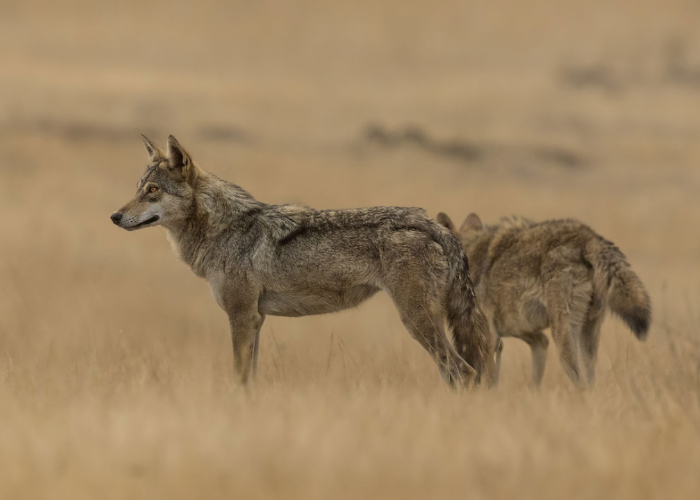
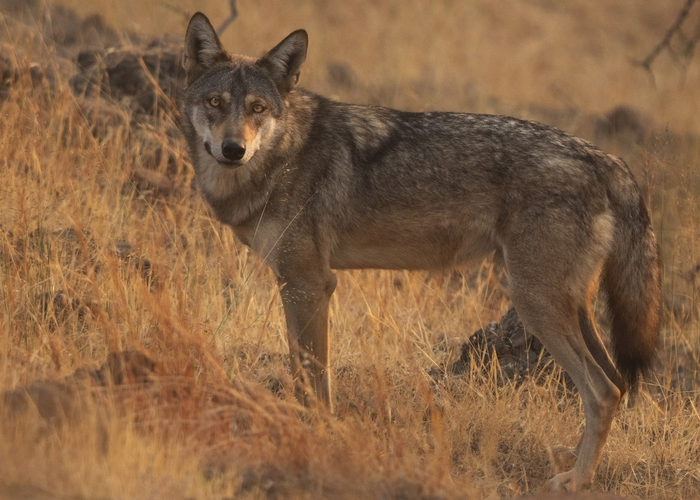
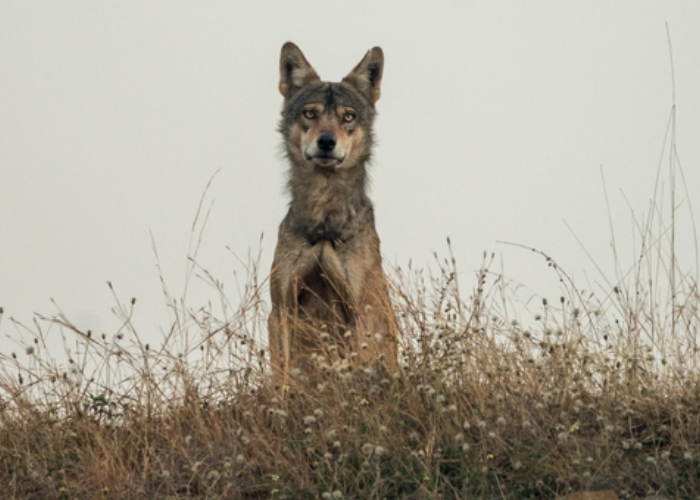
Indian Wolf (Canis lupus pallipes): The Kutch region is one of the few places in India where the Indian Wolf still roams. These elusive predators inhabit the desert and scrubland areas and play a crucial role in maintaining ecological balance.
-
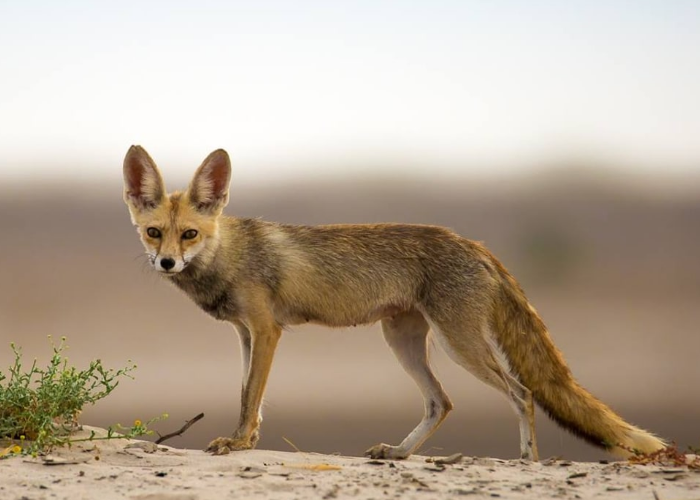
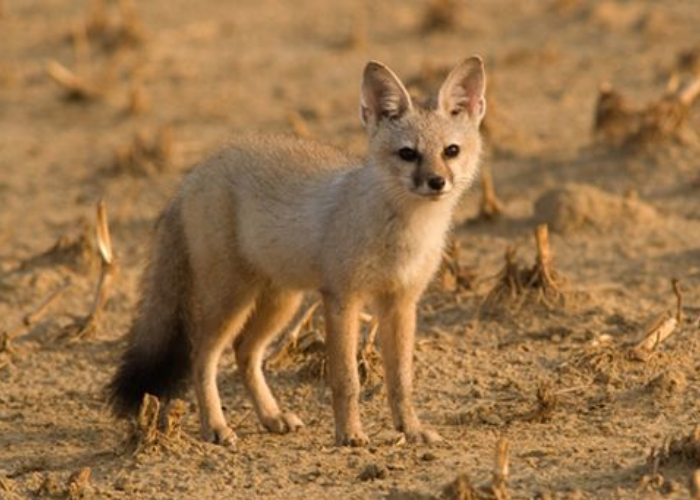
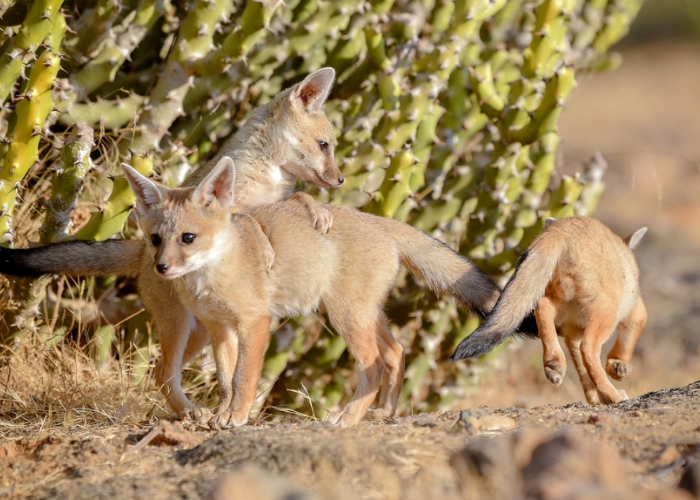
Indian Fox (Vulpes bengalensis): The Indian Fox, also known as the Bengal Fox, is found in various habitats including desert, grasslands, and scrublands. It is a small and agile predator, often seen hunting rodents and small mammals.
-
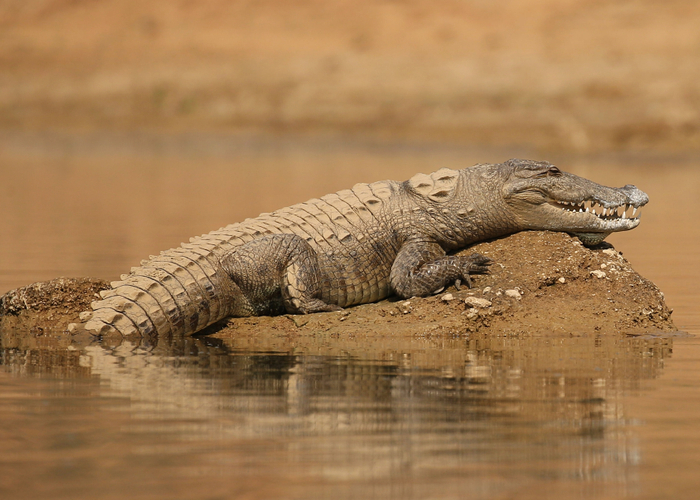
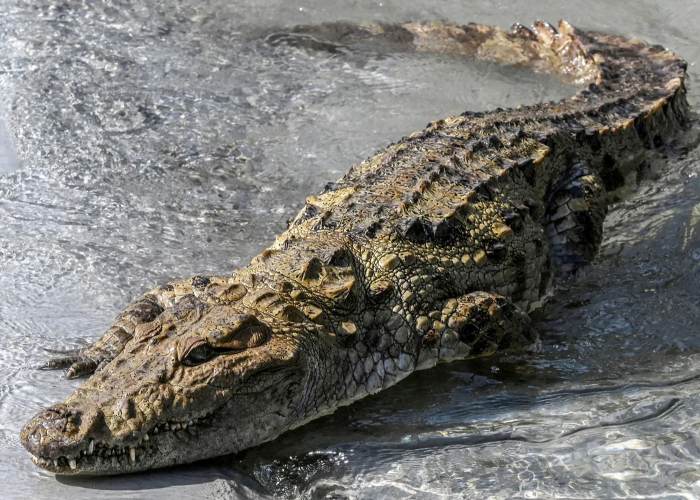
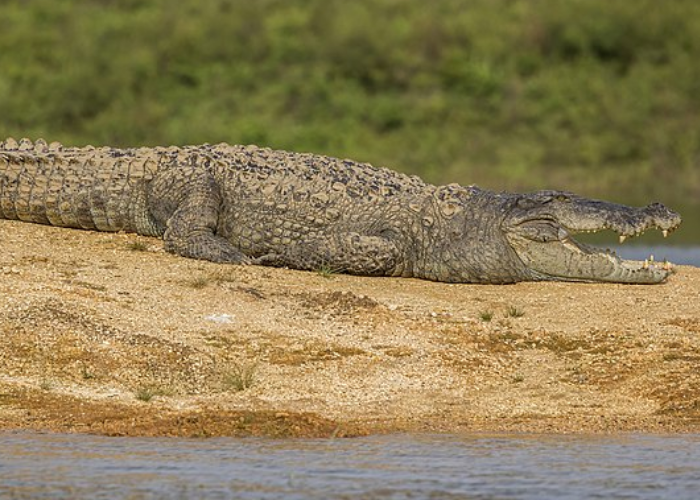
Marsh Crocodile (Crocodylus palustris): The wetlands and marshes of Kutch provide habitat for the Marsh Crocodile, also known as the Mugger Crocodile. These reptiles are apex predators in their ecosystem and play a vital role in maintaining aquatic biodiversity.
-
Various species of migratory birds : The Kutch district serves as an important stopover and wintering ground for a wide variety of migratory birds. Species such as various ducks, waders, raptors, and passerines visit the region's wetlands and coastal areas during their annual migrations.
-
Caracal (Caracal caracal)is one of the beautiful ghost feline , Desert & bet landscapes are last refugee habitat for this charismatic ghost
-
Various species of reptiles : In addition to crocodiles, the Kutch region is home to diverse reptile species including snakes, lizards, and tortoises. Species such as the Russell's Viper, Saw-scaled Viper, Indian Rock Python, and Monitor Lizard are among the reptiles found in the area.
Living on the Edge: Culture and Livelihoods at the Rann of Kutch
The Rann of Kutch, a vast expanse of salt flats in western India, isn't just a geographical marvel; it's a land where vibrant communities have thrived for centuries, adapting their lives to the rhythm of this unique ecosystem. Here, on the periphery of the Rann, a mosaic of cultures and traditional livelihoods flourishes. The villages bordering the Rann of Kutch are home to a diverse array of communities, each with its own distinct cultural heritage. Here are a few examples:
-
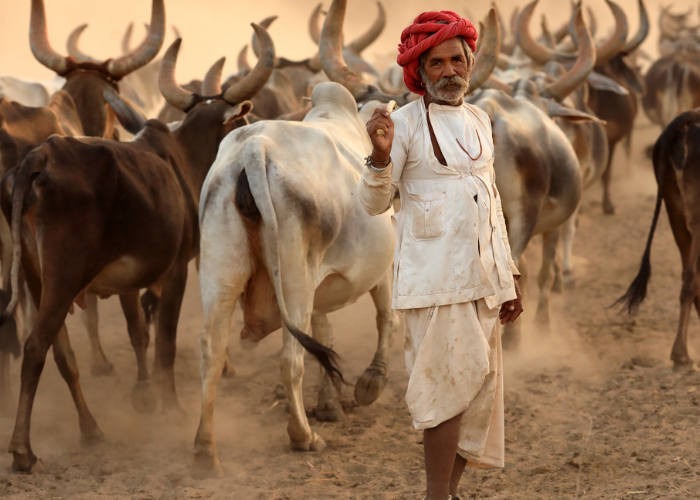
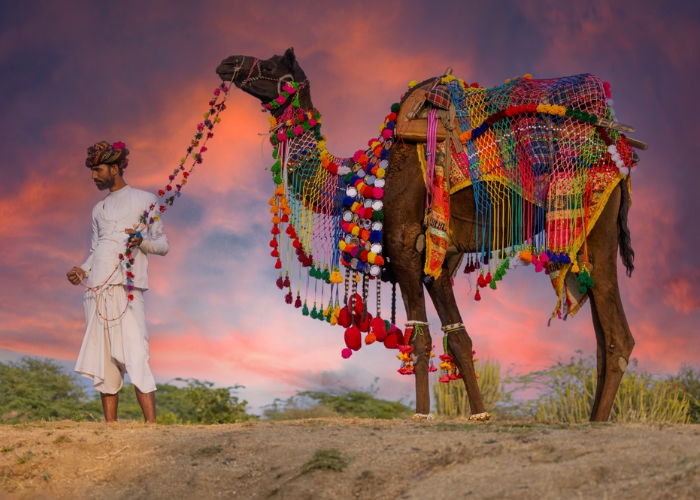
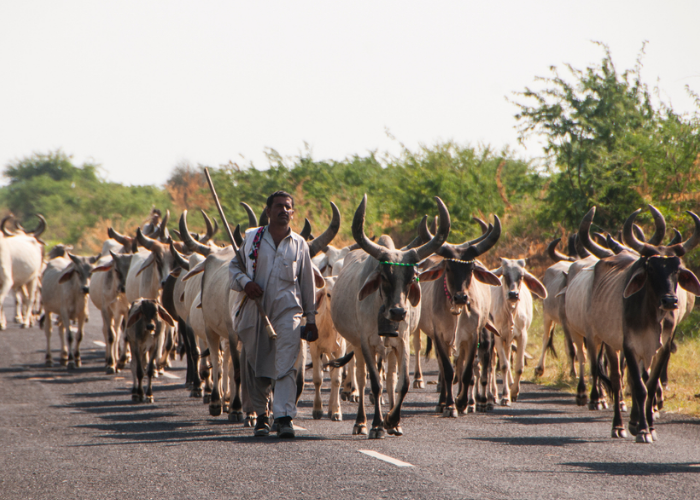
The Rabaris : Traditionally nomadic pastoralists, the Rabaris are known for their exceptional herding skills and their vibrantly embroidered textiles. Their intricate needlework depicts the flora and fauna of the Rann, showcasing their deep connection to the land.
-
The Jat community : Known for their agricultural prowess, the Jats cultivate crops suited to the arid climate, like millet and pulses. Their traditional knowledge of water management techniques allows them to survive in this challenging environment.
-
The Meghwals : This community is renowned for their exquisite embroidery and craftsmanship. Their intricate work adorns clothing, wall hangings, and other textiles, often featuring motifs inspired by the Rann's natural beauty.
-
The Lohars : Traditionally blacksmiths, the Lohars play a vital role in village life, crafting tools and implements essential for agriculture and daily living. Their skills have been passed down through generations, ensuring the preservation of this ancient craft.
-
Livelihoods Shaped by the Seasons : Agriculture and animal husbandry are the primary sources of livelihood for many communities in the villages surrounding the Rann of Kutch. Despite the arid and semi-arid conditions, farmers cultivate crops such as millet, pulses, cotton, and vegetables using traditional farming methods and rainwater harvesting techniques. Livestock rearing, including cattle, goats, sheep, and camels, provides additional income and sustenance for many families.
-
Traditional Crafts and Artisanal Skills : The communities living in villages around the Rann of Kutch are renowned for their rich tradition of handicrafts and artisanal skills. Embroidery, such as the intricate Kutchi embroidery known as "Kutchi Bharat," is a prominent craft practiced by local women. Other crafts include mirror work, bandhani (tie and dye), block printing, and leatherwork. These crafts not only serve as a source of livelihood but also play a significant role in preserving cultural heritage.
-
Nomadic and Semi-Nomadic Communities : Some communities in the Rann of Kutch region, such as the Rabari, Maldhari, and Bharwad, have traditionally been nomadic or semi-nomadic pastoralists. They rear cattle, goats, and camels, moving seasonally in search of pasture and water. Their lifestyle and cultural practices, including folk songs, dances, and oral traditions, reflect their close connection to the land and animals.
Wolf the King of Rann
Wolves, though present in the Rann of Kutch in very small numbers, play a vital role in the ecosystem and is considered the King of Rann. As apex predators, they help maintain a balance in the prey population. Their primary prey in the Rann would be smaller mammals like foxes, jackals, rodents, and rabbits. By preying on these animals, wolves help control their populations and prevent them from becoming overabundant. This, in turn, helps protect smaller herbivores and the vegetation they feed on.
The Rann of Kutch, a vast salt marsh located in the Thar Desert in the Kutch district of Gujarat, India, is a unique and fragile ecosystem. Wolves, as apex predators, play a crucial role in maintaining the balance and health of this ecosystem.
-
Regulating Prey Populations : Wolves help regulate the populations of herbivores such as nilgai, chinkara, and blackbuck in the Rann of Kutch. By preying on these herbivores, wolves prevent overgrazing, which can lead to the degradation of vegetation and soil erosion.
-
Altering Prey Behavior : The presence of wolves influences the behaviour of their prey. Herbivores tend to avoid areas frequented by wolves, which prevents them from overexploiting certain vegetation types. This, in turn, allows for more diverse plant communities to thrive.
-
Cascading Effects on Biodiversity : The influence of wolves on prey populations can have cascading effects throughout the ecosystem. For example, a decrease in the population of herbivores due to predation by wolves can lead to an increase in the abundance of certain plant species that would otherwise be overgrazed. This, in turn, can benefit other species such as insects, birds, and small mammals that rely on those plants for food and habitat.
-
Maintaining Ecosystem Dynamics : Wolves also play a role in maintaining the natural dynamics of the ecosystem. Through predation, they remove sick, weak, or old individuals from prey populations, which helps to keep those populations healthy and genetically diverse.
-
Competition with Other Predators : Wolves may also compete with other predators such as jackals and leopards for food resources. This competition helps to maintain a balance among predator populations, preventing any one species from becoming overly dominant.
-
Overall, the presence of wolves in the Rann of Kutch is essential for maintaining the delicate balance of this unique ecosystem. Their role as apex predators has far-reaching effects on the abundance and distribution of species throughout the food web, ultimately contributing to the overall health and biodiversity of the region.