Mission
Scientific Research Backed Interventions
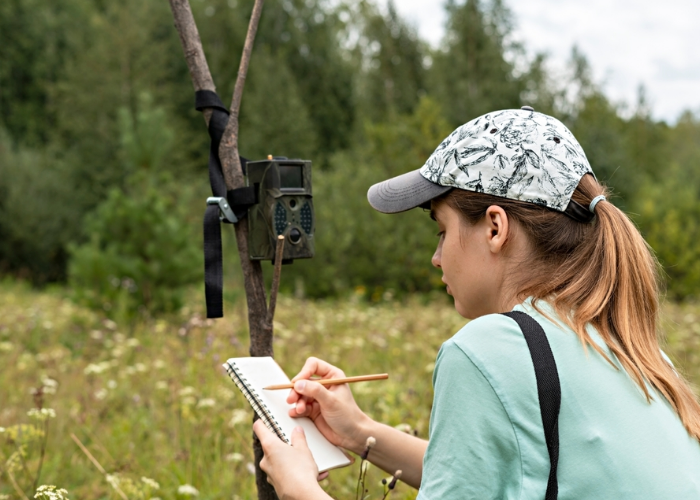
To address the current challenges, there is a need for better understanding of the local problems. Our team of experts conduct multidiscipline research studies which focuses on generating data on various socio-economic and ecological parameters along with finding science based solutions to the local problems.
-
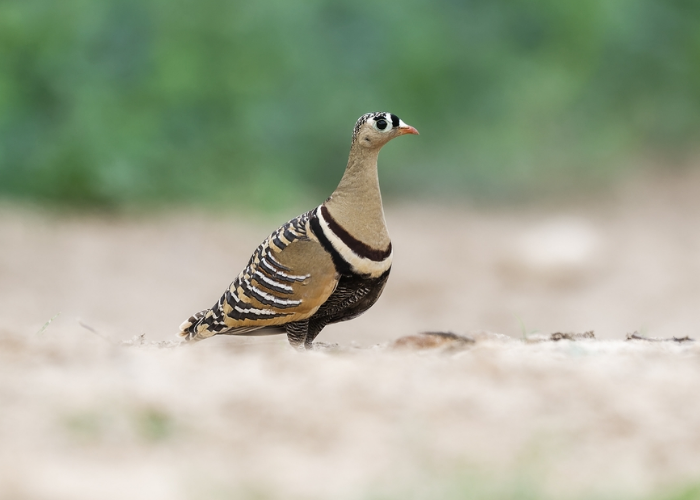
To research, breed and conserve endangered wild animals, birds, trees and plants and to develop wildlife care centres.
-
Conduct socio-economic assessments for local communities and ecological studies for sustainable development.
-
Develop a special research cell which is dedicated to the study of 108 bet (island) in the region.

Biodiversity Conservation And Protection of Endemic Species
IDEERF recognizes that effective conservation requires collaboration with local communities. The organization actively engages with indigenous populations and local stakeholders to develop conservation strategies that align with the needs and traditions of the communities inhabiting these desert regions. Our major focus are as follows;
-
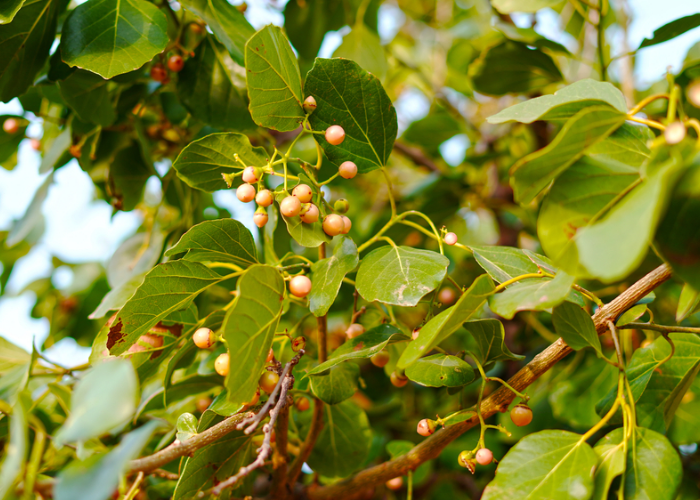
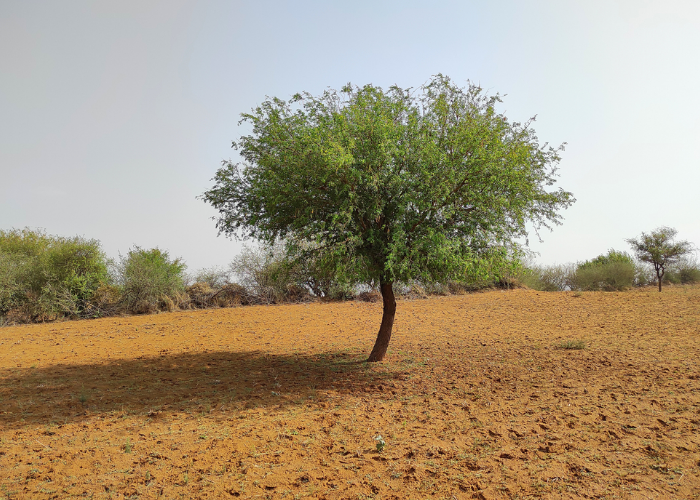
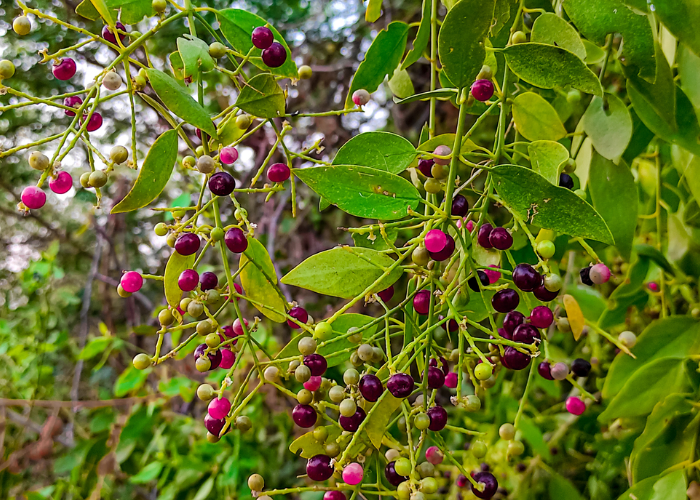
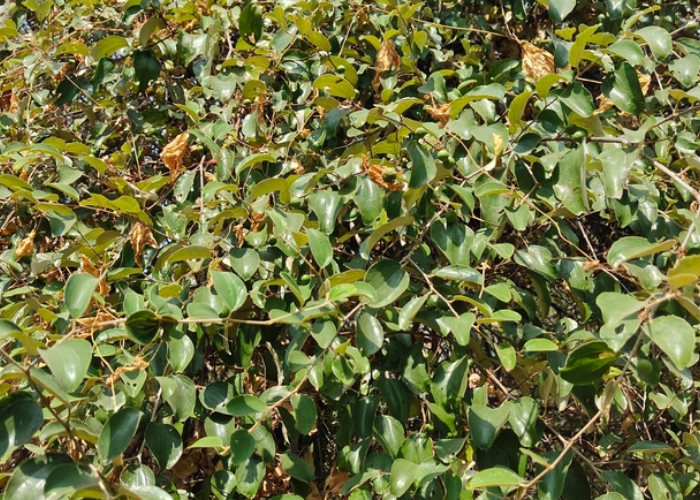
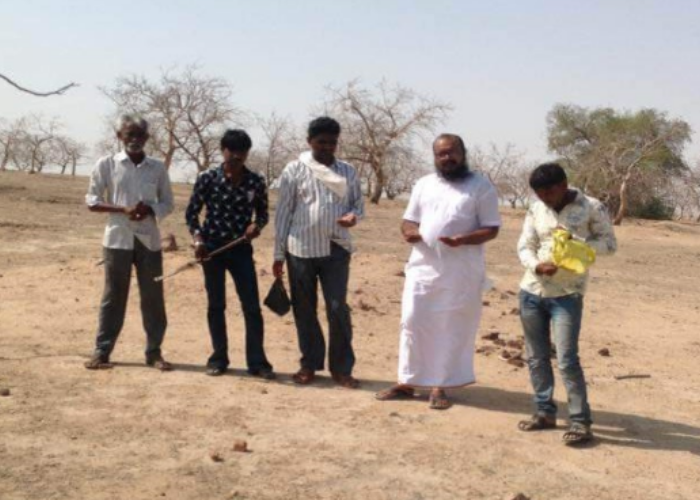
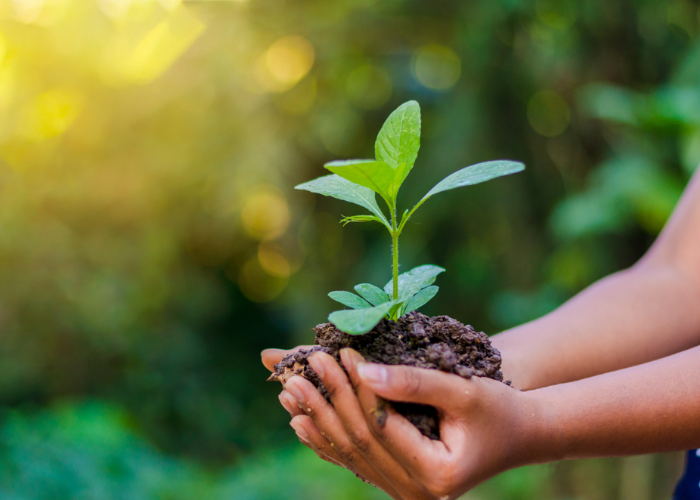
Conduct plantation drive in 108 villages and grow endemic plant species like Gundi, Khijdo, Pilu, Bordi etc. We plan to develop 5- acre plantation of local species with 5000 plant per site.
-
Removal of invasive species and replacing them with local species
-
Develop 10 acres of grasslands in each villages
-
Bird Nest Distribution along feeder and watering station
-
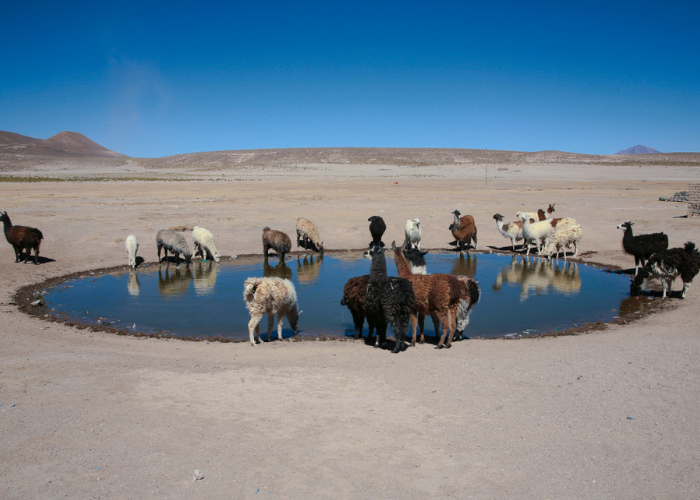
Repair of Cattle trough and Chabutra (traditional bird homes) in each village
-
Provide training to the communities in 21 Range Village Training on Wildlife Crime

Education and Advocacy
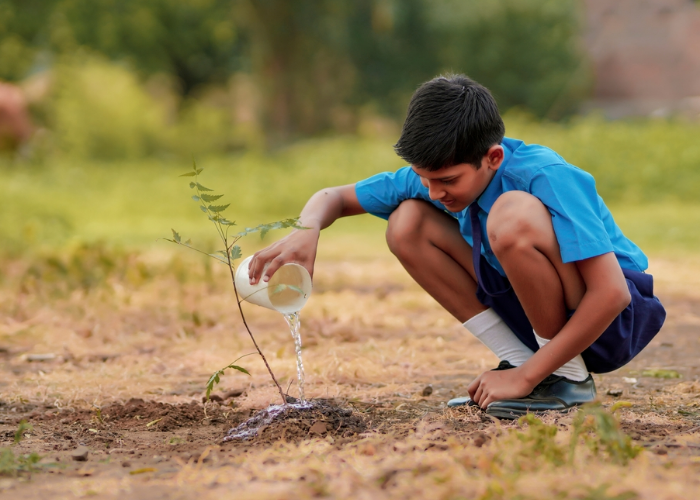
Empowering communities by running workshops on conservation, planting trees, pushing for greener policies. We provide a bridges, connecting people to protect our planet, leaf by leaf, voice by voice. We are engaging local educational institutions in promoting environmental stewardship through activities in schools and colleges.
-
To provide environmental education to schools. Conducting competitions and seminars. vii. To protect the environment by ensuring that farming and development activities are sustainable.
-
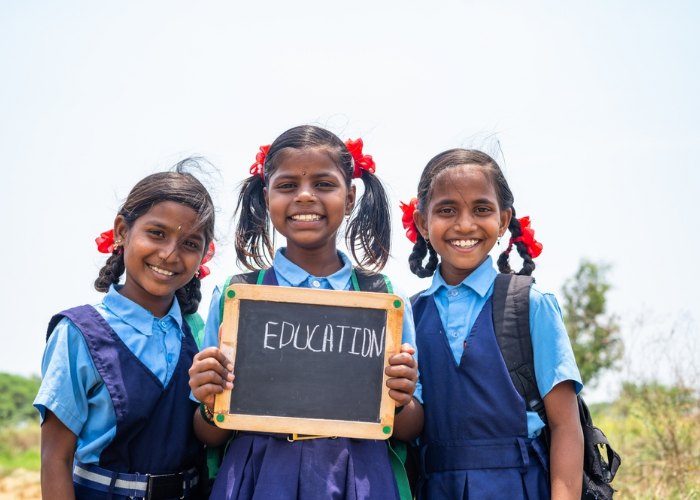
Connect with the schools, and colleges in the project area and foster a new generation of experts. Our efforts are focused on’
- 108 Primary Schools
- 51 High schools
- 21 Colleges
Promoting Sustainable Livelihood and Rural Development
Our rural outreach programs are also aimed at providing sustainable livelihood options to the local communities. We provide support for developing ecosystem based livelihood opportunities which enables us to achieve higher standards of development without compromising on environmental health.
-
To provide support to the disabled, destitute, educated unemployed and to benefit from various welfare schemes of the government and to provide assistance like Ayurveda, medical and Mediclaim at a lower cost.
-
Introduce latest technologies for sustainable agriculture and promote integration of traditional knowledge with latest scientific development.
-
Build platform to make sustainable use of natural resources through value addition.

Addressing Environmental Degradation
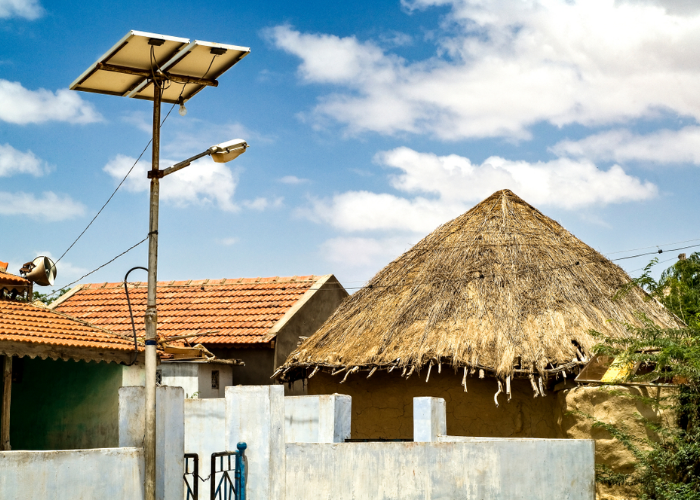
Rapid environmental degradation and resulting desertification is a major problem in the focus area of Gujarat. We have adopted a multidimensional approach which include adoption of renewable energy, waste management, water conservation and other activities to ensure the environmental degradation is addressed.
-
Awareness on single use plastic and waste segregation.
-
To build a medicinal and oxygen park and arresting soil degradation through organic farming.
-
Promoting renewable energy like solar, wind and biogas.
-
Installation of water harvesting structures and promoting water efficient irrigation


Formation of Rann Mitra: a Networ of Volunteers
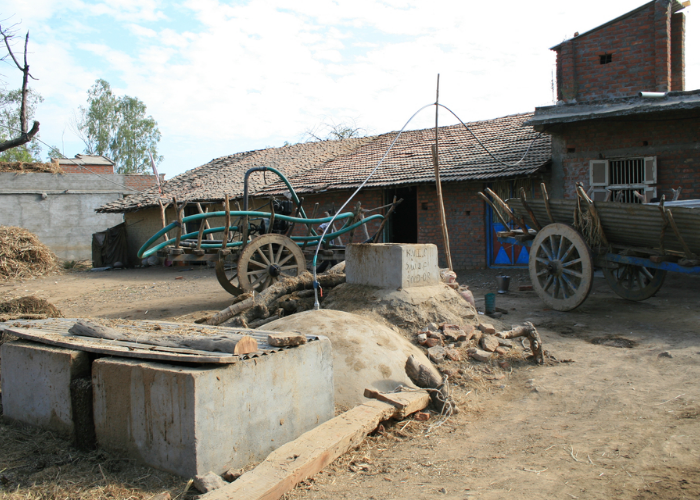
Through the formation of Rann Mitra, we will create a network of volunteer of like minded and enthusiastic individuals who will provide support while implementing various activities. Rann Mitras will also be the connecting link between the villages and the organisation.
-
Thee are 108 villages under the focus area of the organization and 108 villages will be appointed, one for each village