Ranno Rajkumar Varu
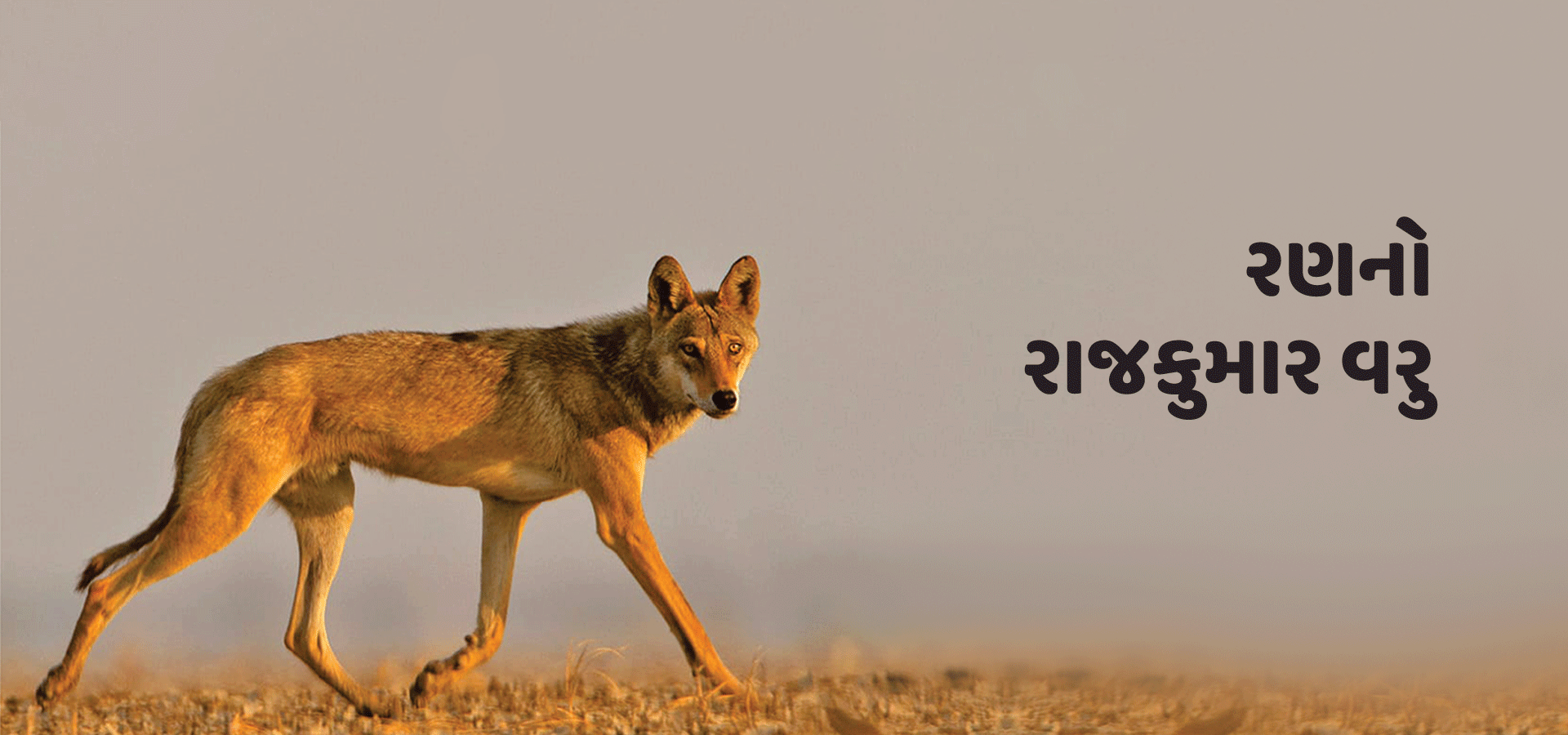
Ranno Rajkumar Varu
(Initiative to create special self-awareness about the importance of wolves as a vulnerable link in the natural food chain)
Deer Institute distributes wolf posters in local vernacular and plain language to create awareness among local people about wolves as a vital organ that balances the ecology of Ran kantha villages. Wolves are a natural control over local domesticated animals as well as crop-damaging animals. Depletion of wolves indirectly affects local people's agriculture.
Wolves
According to the tradition of wealthy society, the liberal policy of taking their share of the boon received from Lord Shiva, treating the wolf as a younger brother of the wealthy society, and hunting its own pet animal, plays a very important role in the conservation of wolves.
Outstanding Action Style
Agave Action Style Wolves are an important animal that has been studied by zoologists in addition to mythology. Wolves have their own sign language through which they communicate within their community. Exchange.
Characteristics of the Wolf
Wolf has a very keen sense of smell Detects very distant prey Naturally breeds between November and December and gives birth to two to four cubs in 61 to 63 days Wolf is the only animal that cannot be domesticated Strong in appearance In addition to looking like a dog, the community has an army-like system for hunting.
Identification of the wolf
The wolf is a branch of the canine family. Long mouth, blackish color, 125 centimeters in length. It is decorated with brown and blackish marks on the body. The weight is around 25-35 kg, the height is 65 centimeters and it is a tough animal living in the kandhi of the desert area. It is an unprecedented privilege to enjoy wolves, also known as males, when this community is organized into a well-planned system for hunting.
The utility of wolf in human life
it is called the farmer's friend. There was a time when farmers used to get large amount of grain production through traditional methods. Today, both grain and wolf are extinct because the omnivorous animals like deer, nilgai, boar, cattle damage the agriculture and destroy the developed crops. Wolves naturally keep these animals under control, but today the wolves are no longer human communities have removed their depredations, resulting in uncontrolled ruminants. Chances of field crop loss have increased resulting in less grain planting as wolves are not found today even when searched for.
Habitat of Wolves
Wolves are at the forefront of the important attractions of the deserts scattered in the state of Gujarat. The desert of Kutch is densely forested in three directions and a vast sea in one direction. In the main directions of the desert, thick acacia trees are the habitat and refuge of wolves. They are not found in dense forest areas. They are not found in dense forest areas. The wolf is the largest in size in the canine family. The color of the skin and hair on its body changes according to the weather. Among the land animals, the wolf has the largest boundary area.